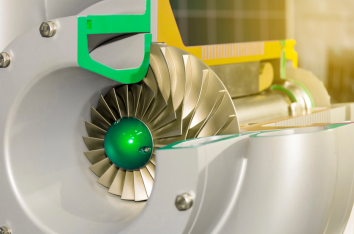
A combustion chamber plays an important role in your engine’s performance. Over time, carbon, oil, and other contaminants can build up in the chamber, affecting how efficiently the engine runs. Cleaning the combustion chamber is necessary to remove these deposits, leading to smooth engine operation and improving fuel efficiency. Let us explore how to clean a combustion chamber and why it is so important for engine health.
Why Clean the Combustion Chamber?
Contaminants like carbon deposits, oil residues, and dust can build up in the combustion chamber. These deposits can cause incomplete combustion, reducing engine power and fuel efficiency. If left unchecked, they can even cause engine misfires, knocking, or pre-ignition. Regular cleaning makes sure the combustion process remains efficient and helps prevent engine wear and tear.
How Often Should You Clean the Combustion Chamber?
The frequency of cleaning depends on the engine type and usage. For cars or aircraft engines, routine cleaning in accordance with the manufacturer's recommendation helps maintain efficiency. Engines used in extreme conditions, like high-performance aircraft, may need more frequent cleaning. Regular inspection is key to preventing buildup before it becomes a serious issue.
The Best Way to Clean a Combustion Chamber
Cleaning a combustion chamber can be done safely and effectively using the right tools and products. Here’s how to go about it:
- Choose the Right Cleaning Solution
When cleaning the combustion chamber, it is important to select a cleaning solution that can break down carbon deposits and oils without causing damage. Aerospace equipment cleaners are a good choice for this task. These cleaners are formulated to safely remove contaminants while being gentle on the engine components. Avoid using harsh chemicals that can leave residue or harm sensitive engine parts.
- Apply the Cleaner
After selecting the proper cleaner, apply it directly to the combustion chamber. Depending on the engine, this can be done through the intake or by removing specific parts. For most engines, cleaning is done while the engine is running or at idle speed, so the cleaner can be drawn into the combustion chamber and circulated.
- Allow the Cleaner to Sit
Let the cleaning solution sit for a few minutes. This allows the cleaner to break down the carbon buildup and loosen any oil residues. Be sure to follow the manufacturer’s instructions for the cleaner to avoid over-saturating the chamber.
- Scrub and Rinse
After the cleaner has had time to work, use a soft brush to scrub the combustion chamber gently. Scrubbing will help remove stubborn deposits stuck to the walls. Once cleaned, rinse the chamber thoroughly with clean solvent or water to remove any remaining cleaner and debris.
- Dry and Reassemble
Once you have finished rinsing, dry the combustion chamber thoroughly. Use compressed air or a clean towel to make sure no moisture remains behind. Moisture left in the chamber can cause corrosion or interfere with combustion. After drying, reassemble the components, making sure everything is back in place securely.
Additional Tips for Maintaining a Clean Combustion Chamber
- Regular inspections
- Use high-quality fuel
At Baron Blakeslee, we specialize in offering high-quality cleaning solutions that are safe and effective for maintaining your engine’s components. With the right approach to cleaning, you can keep your engine in optimal condition for years to come.