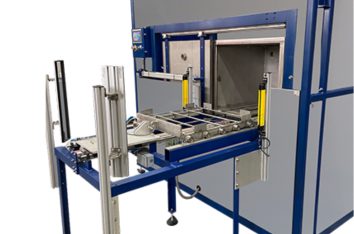
Degreasing machines for production lines play a critical role in maintaining clean, efficient, and reliable industrial operations.
Baron Blakeslee designs and manufactures equipment that supports production lines across various industries, including automotive, aerospace, electronics, and medical device manufacturing. Our degreasing machines for production lines remove oils, grease, and residues from parts.
Using reliable equipment helps facilities maintain high productivity and preserve the lifespan of components.
How Degreasing Machines Work On Production Lines
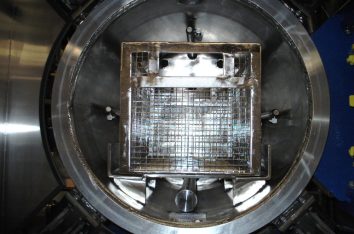
Production-line degreasing systems use vapor, aqueous, or semi-aqueous cleaning methods to remove contaminants from parts. Cleaning solutions circulate around components and reach recessed areas that are difficult to clean manually. Controlled temperatures and agitation improve cleaning performance and help maintain uniform results.
Automation creates repeatable cleaning cycles, reducing labor requirements and minimizing the risk of operator error. Solvent recovery and filtration systems help extend solvent life while keeping cleaning performance consistent. Effective cleaning also helps prevent contamination from affecting downstream processes.
Key Features Of Our Machines
Baron Blakeslee offers both standard and custom degreasing machines for production lines. Vapor degreasing systems are designed to clean intricate components using controlled solvent vapor. Distillation recovery systems reclaim solvents, reducing waste and lowering operating costs. Automated controls regulate temperature, solvent flow, and cleaning cycles.
Filtration systems remove particles and impurities that could affect cleaning quality. These technologies reduce manual involvement and help maintain dependable results across large production batches.
Material And Part Compatibility
Manufacturing facilities often process parts made from different materials and with varying levels of complexity. Metals, coated surfaces, and many plastics require specific cleaning conditions to avoid damage. Adjusting solvent type, exposure time, and temperature helps achieve thorough cleaning without affecting sensitive surfaces.
Proper compatibility preserves part integrity and lowers the risk of defects, rejects, or costly product recalls.
Automation And Controls
Automation contributes to both efficiency and workplace safety. Programmable cleaning cycles, temperature controls, and solvent monitoring systems simplify operation and improve consistency. Built-in alerts notify operators when maintenance is required or when operating conditions move outside acceptable ranges.
Personnel can focus on broader production activities rather than monitoring every step of the cleaning process. Automated systems also support stable throughput across multiple shifts and help reduce unexpected interruptions.
Maintenance And Longevity
Regular maintenance extends the life of degreasing machines for production lines. Inspecting pumps, cleaning filters, and monitoring solvent quality prevent performance issues. Our technical team provides guidance, replacement parts, and training to help facilities maintain equipment effectively.
Contract maintenance services are available to ensure machines remain reliable over long-term use.
Energy And Resource Efficiency
Reducing operating costs involves more than cleaning performance alone. Features such as insulated tanks, controlled heating systems, and solvent recovery technology help lower energy consumption. Reusing solvents decreases chemical waste and supports environmentally responsible manufacturing practices.
Efficient designs help facilities maintain high cleanliness standards without significantly increasing operating expenses. These improvements contribute to lower costs and more sustainable production processes.
Customization Options
Every manufacturing environment has unique demands. Some applications require larger tanks, advanced filtration stages, specialized solvent systems, or automated part handling. Flexible configurations help cleaning systems align with production volumes and specific process requirements.
Scalable designs also make future modifications easier, reducing the need to replace entire systems when workflows evolve.
Safety And Compliance
Safe operation remains an important consideration in industrial cleaning. Ventilation systems, containment measures, and controlled solvent handling features help protect both employees and the surrounding environments. Monitoring devices detect abnormal conditions and notify operators before problems escalate.
Following recommended operating procedures and maintaining equipment regularly helps reduce risks while supporting uninterrupted production.
Applications Across Industries
Manufacturers in many industries rely on advanced cleaning systems.
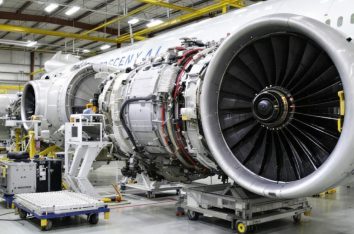
Aerospace companies clean precision components that require extremely tight tolerances and contaminant-free surfaces for reliable operation. Automotive facilities process engines, transmissions, fuel system components, and metal assemblies throughout various stages of production. Electronics manufacturers remove contaminants from circuit boards and delicate components without causing damage.
Medical device manufacturers also depend on effective cleaning to eliminate residues from surgical instruments and specialized equipment. Chemical processing and industrial machinery manufacturers use precision cleaning to protect sensitive parts and maintain product consistency.
Reliable cleaning contributes to longer component life, improved product quality, and more consistent production schedules across every industry.
Integration Into Production Workflow
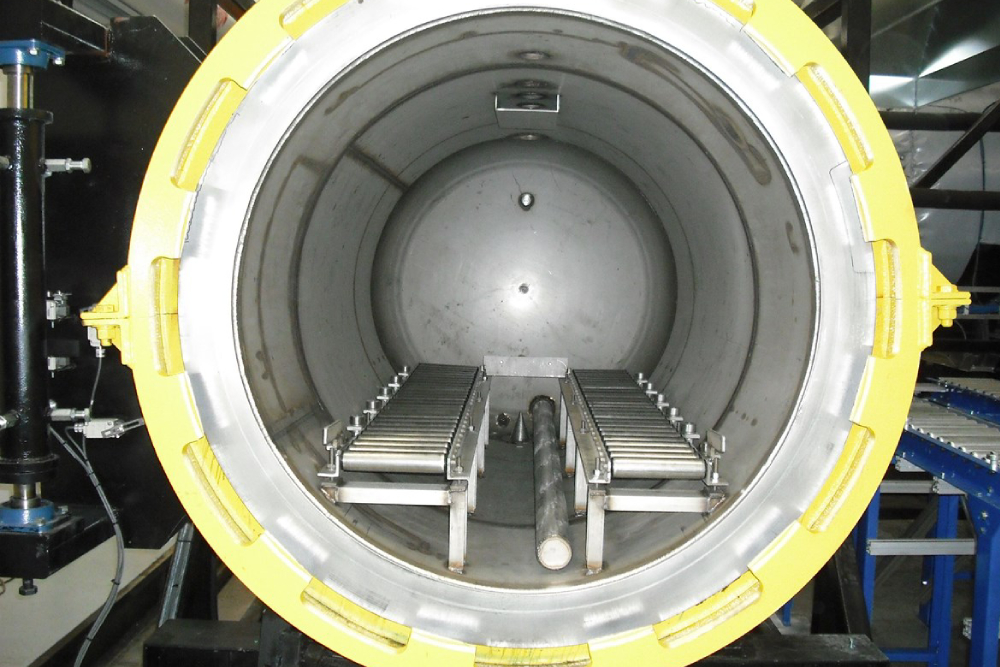
Cleaning systems often become an integrated part of the manufacturing process. Conveyorized designs move components through multiple stages efficiently. Continuous solvent recovery and inline filtration help maintain clean conditions throughout production. Reduced manual handling improves workplace safety and simplifies production planning.
Consistent cleaning cycles help manufacturers maintain quality standards and keep schedules on track. Automated transfer systems and synchronized production equipment further improve throughput and reduce bottlenecks.
Seamless workflow integration helps minimize delays, maintain process consistency, and increase overall productivity across high-volume manufacturing environments.
Signs Of Wear And Service Needs
Over time, components may show signs of wear. Reduced cleaning efficiency, leaks, or unusual noises may indicate maintenance is needed. Early detection prevents major issues and maintains machine reliability.
Our technical team helps customers identify wear and recommends necessary repairs or part replacements. Preventive maintenance supports consistent cleaning results and protects investments in industrial equipment.
The Baron Blakeslee Advantage
Since 1920, Baron Blakeslee has delivered industrial cleaning solutions built in the USA. Our equipment is engineered, designed, and manufactured in Williamstown, WV. We specialize in vapor degreasing, aqueous and semi-aqueous cleaning, and emerging PFAS-free technologies.
Customers benefit from durable equipment, technical expertise, and personalized service, including installation, testing, training, and maintenance.
Our team ensures machines operate reliably and meet the specific needs of production lines.
Partner With Us For Efficient Cleaning
Using the right degreasing machines for production lines improves cleaning efficiency, reduces waste, and supports reliable operations. At Baron Blakeslee, we assist customers with machine selection, customization, and ongoing support. Our team provides training, technical service, and replacement parts to maintain consistent performance.
Contact us today to learn how our degreasing machines can optimize your production line cleaning and help your facility maintain high-quality output while reducing downtime.