
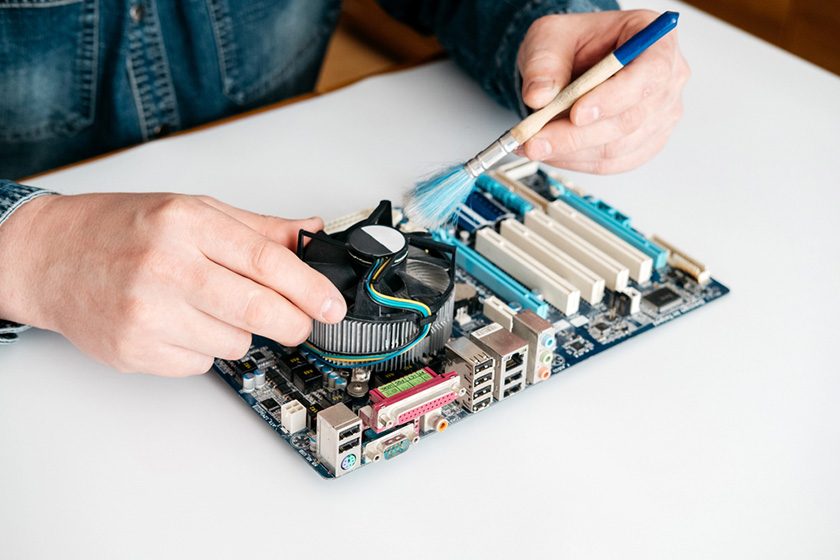
Over time, the circuit boards in electronic devices can accumulate dirt, dust, grease, and other debris that could affect their performance. Isopropyl alcohol is commonly used in PCB cleaning, but there are times when alternatives might be preferable or necessary.
In this article, we will explore how to clean a circuit board without alcohol and the best practices for keeping your circuit boards in pristine condition without using alcohol.
Why Avoid Alcohol in PCB Cleaning?
Isopropyl alcohol is often the go-to solution for cleaning circuit boards, as it is effective at removing oils, dirt, and other contaminants. However, there are some instances where alcohol might not be the best choice.
Alcohol can leave behind a residue if not properly wiped off, especially in areas that are difficult to access. This residue can potentially interfere with the board’s functionality. Furthermore, alcohol may not be suitable for certain materials or sensitive components, especially those that are prone to being damaged by high levels of isopropyl alcohol or prolonged exposure to it.
When Alcohol Might Be the Right Choice
While alcohol has its limitations, there are certain situations where its use might be appropriate. If the board is heavily contaminated with oils or sticky residues that water and non-alcoholic cleaners cannot remove, alcohol may be the best option.
Alcohol’s ability to evaporate quickly reduces the risk of moisture damage, making it ideal for some cleaning situations. However, it should be used with caution to avoid leaving residues or damaging sensitive parts of the circuit board.
Now that we understand how to clean a circuit board with alcohol, we can compare its limitations with other methods. We will also discuss why, in some cases, it’s better to avoid alcohol altogether. In such instances, non-alcoholic cleaning solutions and techniques may offer a safer and more effective alternative for maintaining the integrity of your circuit boards.
Alternative Methods for Cleaning Circuit Boards
When alcohol isn't the ideal solution, several alternatives exist that can clean circuit boards just as effectively, if not better, while minimizing the risk of damage.
Water-Based Cleaning
Can you clean a circuit board with water? The answer is yes, but with caution. Deionized or distilled water is a viable option for cleaning PCBs when used properly. It is pure and free of contaminants, making it safe for cleaning electronics. Tap water is, however, unsafe, as it contains minerals and impurities that could cause damage to the board.
To clean a circuit board with water, make sure the board is completely powered off and disconnected from any power source. The best method involves gently rinsing the circuit board with distilled water or lightly spraying it to remove any debris or buildup.
After rinsing, the board should be thoroughly dried with compressed air to avoid any moisture lingering in sensitive areas, such as the connectors or solder joints. Proper drying will prevent water damage, which could cause corrosion or electrical shorts.
Non-Alcoholic Cleaning Solutions
For those who need more than just water, non-alcoholic cleaning solutions specifically designed for PCBs are a great alternative. These products are formulated to clean without leaving behind any harmful residues or damaging sensitive components. Some solutions are water-based, while others may use citrus or enzymatic cleaning agents that break down grease and oils on the board.
When using a non-alcoholic cleaner, apply the solution with a soft brush or by using a spray bottle. After applying the cleaner, gently scrub the affected areas to dislodge dirt or grime, ensuring that no liquid pools around sensitive areas.
Like with water, make sure that the board is completely dry before reconnecting or powering it back on. Using non-alcoholic cleaners designed specifically for electronics makes this process effective and safe.
Dry Cleaning Methods
If you’re looking for a method that doesn’t involve liquid at all, dry cleaning methods are an excellent option for dust and dirt removal. Compressed air or a soft brush can be used to gently remove dust, dirt, and debris from the surface of the board. This method is especially useful for PCBs that are only lightly soiled and do not require a more intensive cleaning process.
When using compressed air, it is important to hold the can upright and use short bursts to avoid condensation buildup, which could damage the board. A soft brush can also help remove more stubborn dirt, but it should be used gently to avoid damaging components or dislodging any sensitive parts.
Vapor Degreasing
Vapor degreasing is another excellent option for cleaning circuit boards without alcohol. This method uses a specialized solvent that is heated to create a vapor, which then gently cleans the PCB. The vapor effectively dissolves oils, grease, and other contaminants without the risk of direct contact, making it a particularly safe method for delicate electronic components.
One of the key benefits of vapor degreasing is its ability to clean intricate areas of the circuit board, including tight spaces that are difficult to reach with brushes or liquid cleaners. Since the solvent evaporates quickly, there’s no risk of leaving behind residue or moisture that could damage the board. At Baron Blakeslee, we provide advanced vapor degreasing equipment specifically designed for electronics.
Risks and Common Mistakes to Avoid
When cleaning a circuit board without alcohol, one of the most significant risks is leaving moisture behind. Moisture can cause corrosion or short circuits if it remains on the board. Always ensure that the board is completely dry before reapplying power.
Another mistake is using abrasive brushes or cloths that could scratch the board’s surface or damage sensitive components. Always opt for soft brushes and lint-free cloths to avoid these issues.
Additionally, be mindful when applying liquid cleaners or water. Excess liquid can seep into small crevices and potentially cause harm. Always apply liquid carefully and in moderation, ensuring it doesn’t pool around critical areas.
Keep Your Circuit Boards Safe and Clean
Cleaning circuit boards without alcohol is possible and often preferable for certain types of contamination. Using methods like distilled water, non-alcoholic cleaners, or dry cleaning can effectively remove dirt, dust, and corrosion without causing damage to the sensitive components on the board.
By following the right practices and using the proper materials, you can ensure your PCBs remain in excellent condition. At Baron Blakeslee, our high-quality electronics cleaning equipment will help you maintain your circuit boards with the utmost care and precision. Contact us today for more information on our cleaning equipment and solutions.


