Clean tubing is vital for reliable and efficient industrial operations. Tubes transport fluids, gases, and solvents at the heart of countless processes, yet over time, they accumulate residues that hinder performance.
Oils, particulates, oxides, and other contaminants can compromise productivity and even shorten equipment life. Understanding how to clean tubing effectively safeguards system performance while supporting operational consistency.
The Importance of Clean Tubing in Industry
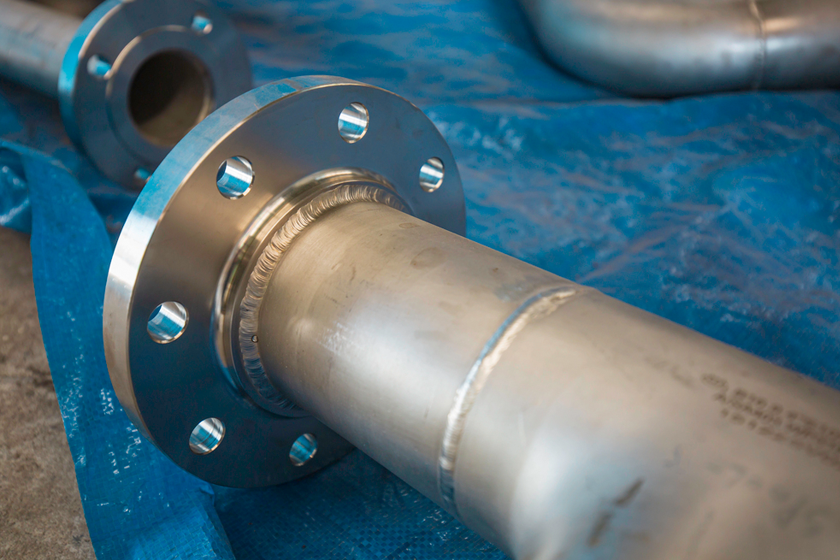
Though rarely noticed, tubing serves as the arteries of manufacturing systems. From aerospace to medical device production, chemical processing, and automotive engineering, tubes carry critical materials throughout production lines.
When tubing becomes contaminated, operators face reduced flow rates, blockages, corrosion, and system inefficiencies. Clean tubing, by contrast, helps optimize performance, promote product quality, and extend equipment lifespan.
Common Contaminants in Tubing Systems
- Lubricants and oils: From machining, forming, assembly, or in-service operations (pumping/compression); range from light cutting fluids and soluble oils to heavy greases and waxes that reduce wettability and trap particulates.
- Particulates: Metal fines, burrs, scale flakes, abrasive media, and dust; tend to lodge in tight bends, weld seams, and joints; prone to redeposition without proper agitation, filtration, and flow control.
- Oxide scale: Heat tint, rust, and adherent oxides from welding, brazing, heat treatment, or corrosive atmospheres; increase surface roughness, promote under-deposit corrosion, and often require chemical/mechanical descaling.
- Microbial growth: Biofilms forming in moisture- or nutrient-rich, stagnant areas (cooling loops, aqueous lines, medical/food-contact systems); can generate odors, endotoxins, and particulate shedding that compromise cleanliness.
- Chemical residues: Coatings, fluxes, inhibitors, surfactants, solvents, and process fluids persisting from upstream steps; interfere with bonding, coating, sterilization, or vacuum service, and can cause staining, extractables, or ionic contamination.
Effective cleaning methods must remove these while protecting the tubing’s material integrity.
How to Clean Tubing: Proven Industrial Methods
A range of cleaning methods can be adapted for tubing, depending on contaminant type, tubing material, and industry needs.
Vapor Degreasing
Vapor degreasing is a time-tested method for precision cleaning. By exposing tubing to solvent vapor, contamination is dissolved and rinsed away as the vapor condenses on cooler surfaces.
Advantages include:
- Rapid cleaning cycles.
- Effective removal of oils and residues.
- Strong compatibility with many metals and technical materials.
For high-value or precision-cleaned tubing, vapor degreasing offers consistency and excellent results.
Aqueous and Semi-Aqueous Cleaning
When water-based techniques are appropriate, tubing can be cleaned using aqueous or semi-aqueous methods. These systems combine detergents, heated water, and agitation to dislodge contaminants.
Use cases include:
- Removing particulates and water-soluble contaminants.
- Applications where water recycling supports sustainability goals.
- Stainless steel or other corrosion-resistant alloys where moisture exposure is safe.
Semi-aqueous processes may add a solvent component, followed by a water rinse, to expand the range of removable residues.
Solvent Recycling and Distillation
As solvents capture contamination during tubing cleaning, their performance diminishes. Distillation and recovery systems restore solvents for reuse, reducing costs and maintaining consistent cleaning quality.
Recycling solvent in this way also supports sustainability initiatives, lowering waste generation while boosting process reliability.
Modified Alcohol and Hydrocarbon Cleaning
Industries moving away from older halogenated solvents often turn to modified alcohol or hydrocarbon degreasers. These solutions deliver cleaning power with reduced environmental impact.
Vacuum-assisted cleaning systems enhance safety and cleanliness by containing these solvents under controlled conditions. This makes them an attractive choice for tubing cleaning that demands precision while meeting evolving environmental standards.
Mechanical and Physical Cleaning Methods
For some tubing systems, mechanical cleaning complements chemical approaches. Examples include:
- Brushing systems for larger inner diameters.
- High-pressure sprays to remove scale and particulates.
- Compressed air or projectiles to blow out chips and debris.
Though useful, mechanical cleaning alone rarely achieves the level of cleanliness required in high-spec industries. Instead, it works best as an initial or supplementary step.
Choosing the Right Cleaning Approach
No single method is universal. The optimal tubing cleaning technique balances material compatibility, soil type, geometry, and compliance, anchored by measurable cleanliness targets and controlled, validated processes.
Materials
Stainless and nickel alloys often tolerate alkaline or solvent cleaning. Aluminum, copper, plastics, and composites need milder chemistries and lower temperatures to prevent etching, discoloration, swelling, or crazing. Always verify compatibility and surface finish effects.
Contamination
Oils and greases respond to solvents or alkaline detergents. Oxides and heat tint require inhibited acids or chelators. Particulates need turbulent flushing, spray impingement, or ultrasonics to remove trapped fines in bends and seams.
Standards
Aerospace, medical, and electronics specifications set limits for residues, particles, ions, or bioburden. These dictate rinse quality, verification methods, and drying strategies suited to downstream processes and audits.
Environment
VOC limits, wastewater permits, and energy goals can favor closed-loop solvent systems or optimized aqueous lines. Consider solvent recovery, counterflow DI rinsing, and heat recovery to reduce footprint and cost.
Geometry and Throughput
Long, small IDs benefit from low-surface-tension fluids, vacuum assist, or pressure pulsing. High-volume production often suits multi-stage aqueous systems with counterflow DI and fine filtration for consistent, scalable performance.
Evaluation and Validation
Run lab trials with actual soils, check compatibility, and define acceptance criteria (e.g., NVR, particles, ions). Lock process parameters to ensure repeatable, spec-compliant outcomes across real workloads and part geometries.
Innovations Driving Tubing Cleaning Technologies
The field of industrial cleaning continues to advance with new technologies and trends:
- PFAS-free solvents and formulations expanding safe cleaning options.
- Vacuum-assisted vapor systems for enhanced safety and efficiency.
- Automation and robotics adding repeatability to tubing cleaning operations.
- Integrated distillation and recycling systems reducing waste and operating expense.
By adopting these innovations, industries maintain compliant, efficient, and sustainable operations.
Clean Tubing, Reliable Operations
Industrial tubing plays an unassuming yet vital role across countless processes. Clean tubing supports efficiency, product quality, and the reliability of entire systems. By applying proven methods, from vapor degreasing and aqueous cleaning to solvent recovery and vacuum-assisted processes, operators can achieve consistent results tailored to their unique applications.
Talk to the Tube Cleaning Specialists
Since 1920, Baron Blakeslee has designed and built industrial cleaning systems in Williamstown, WV, delivering robust, American-made equipment for demanding applications. From vapor and vacuum degreasing to modified alcohol, hydrocarbon, aqueous, and PFAS-free processes, our team engineers standard and custom solutions for tube flushing, internal diameter cleaning, solvent recovery, and automation.
Let’s discuss a purpose-built approach that hits your throughput, cleanliness, and compliance targets. Ready to start? Contact us today to begin a consultation.