Quick Summary: Metal fabrication leaves components exposed to oils, grease, metal chips, grinding residue, and other contaminants that can affect subsequent processes. Industrial washing equipment cleans fabricated parts through controlled washing, rinsing, and drying stages. Properly configured systems can support consistent surface preparation, reduce manual cleaning demands, improve production flow, and prepare components for coating, welding, assembly, inspection, or finishing operations.
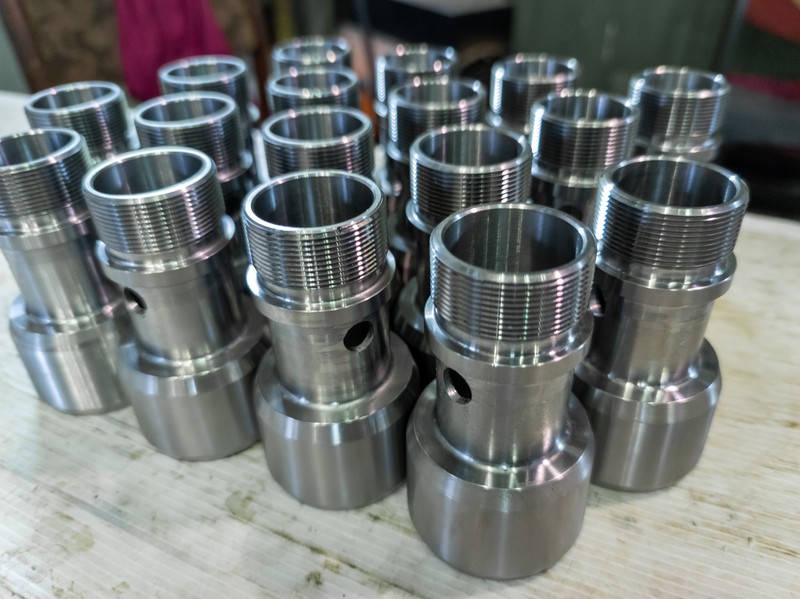
An industrial washing machine for metal fabrication supports consistent cleaning by removing oils, grease, particulate, metalworking fluids, and other residues from fabricated components. Clean surfaces are important before coating, welding, assembly, inspection, and finishing because remaining contamination can interfere with downstream processes. Controlled washing cycles also create repeatable cleaning conditions that support dependable results across batches of fabricated metal components.
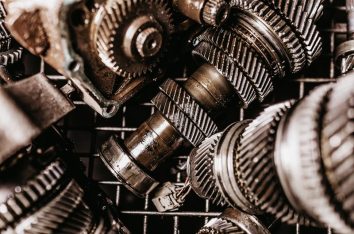
Fabrication processes can introduce different contaminants depending upon cutting, machining, grinding, stamping, forming, handling, and finishing activities. An effective cleaning system must therefore match the component materials, contamination levels, production volume, and required cleanliness standards. Proper equipment selection can create a structured transition between fabrication and subsequent operations while reducing reliance upon inconsistent manual cleaning practices.
How Industrial Washing Improves Metal Surface Preparation
Industrial washing equipment removes manufacturing residues that can interfere with subsequent surface treatments and production stages. Cleaning solutions can loosen oils, grease, particulate, and other contaminants while controlled spraying, immersion, or mechanical action moves the solution across component surfaces. This process creates a cleaner foundation for coating, painting, welding, assembly, inspection, and finishing operations that depend upon suitable surface conditions.
Consistent washing also helps manufacturers establish repeatable cleaning conditions instead of relying upon individual operator techniques for every component. Equipment can control factors such as wash duration, solution temperature, spray pressure, and drying time according to application requirements. These controlled parameters support consistent processing across production batches, particularly when fabricated components require dependable cleanliness before entering critical downstream manufacturing stages.
How Aqueous Wash Systems Support Production Efficiency
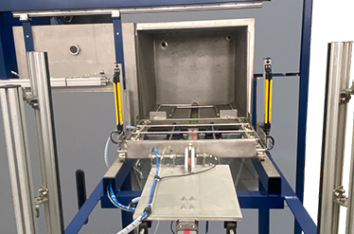
Aqueous wash systems use water-based cleaning solutions to remove contaminants from metal components during controlled industrial washing cycles. These systems can incorporate washing, rinsing, drying, filtration, and material handling stages according to specific production requirements. Their configuration can support different component sizes, contamination levels, throughput requirements, and cleanliness specifications while integrating cleaning into an established fabrication workflow.
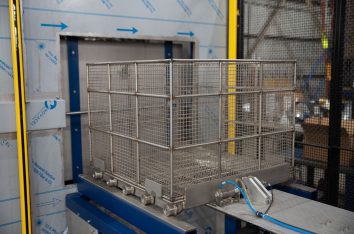
The right washing configuration can also reduce unnecessary manual handling by moving components through defined processing stages. Automated conveyors, baskets, or handling mechanisms can transfer parts between washing, rinsing, and drying operations while maintaining a consistent process sequence. This approach can help manufacturers manage production volumes efficiently while reducing repetitive cleaning tasks that could otherwise interrupt fabrication schedules and consume valuable labor resources.
How Equipment Selection Improves Cleaning Results
Selecting a commercial industrial washing machine requires evaluating component dimensions, material characteristics, contamination types, production volume, and downstream cleanliness requirements. Equipment configuration can include different spray arrangements, tank sizes, heating systems, filtration options, drying methods, and material handling capabilities. Matching these features to the application helps manufacturers create a cleaning process that supports practical production requirements rather than relying upon unnecessary equipment capabilities.
Equipment selection should also consider how cleaning integrates with the broader manufacturing process, including loading, unloading, inspection, coating, assembly, and finishing operations. We assess application requirements when developing industrial cleaning equipment for demanding fabrication environments, using engineering expertise to match systems with specific process conditions. Baron Blakeslee combines standard and custom equipment capabilities with technical knowledge for industrial cleaning applications.
Building a More Effective Fabrication Process
Effective industrial washing can help metal fabricators maintain cleaner components, smoother production movement, and dependable preparation for downstream operations. We apply extensive industrial cleaning experience when developing equipment around component characteristics, contamination, throughput, and process requirements. Baron Blakeslee brings this expertise to customized industrial cleaning solutions. Contact us to discuss your metal fabrication cleaning application and identify an equipment approach suited to your production needs.
FAQs
What contaminants can industrial washing equipment remove?
Industrial washing systems can address oils, grease, metalworking fluids, particulate, grinding residue, chips, and other fabrication-related surface contaminants.
How can industrial washing support coating preparation?
Industrial washing removes surface contamination that could interfere with coating adhesion, helping establish cleaner and more consistent component surfaces.
Can washing systems include drying stages?
Yes, industrial washing equipment can incorporate dedicated drying stages that prepare cleaned components for inspection, assembly, coating, or finishing.
What determines the right washing system?
Component size, material, contamination, production volume, cleanliness requirements, washing method, drying needs, and material handling influence equipment selection.
Can washing equipment accommodate different metal components?
Yes, properly configured systems can accommodate varying component sizes, shapes, contamination levels, production volumes, and processing requirements within metal fabrication operations.