After any industrial cleaning, rinsing, or surface preparation process, the single factor that determines a component's fitness for the next stage is its dryness. Even microscopic traces of moisture can promote flash corrosion, compromise adhesion for subsequent coatings, and introduce minute residue that destabilizes sensitive assemblies.
When parts exit the wash stage of a typical aqueous cleaning system, they generally carry a residual film of liquid water; the process of drying is a race against time and chemistry to remove this film completely and instantly.
Production managers dealing with high volumes and strict quality standards often ask, ‘What is the best industrial parts drying method?’ Drying methods vary based on the type of part, the moisture content, and the process requirements.
In this article, we’ll learn about the different methods commonly used and evaluate which one works best for specific needs.
What Are Industrial Parts Drying Methods?
Industrial parts drying methods refer to techniques used to remove moisture from parts during or after production. These methods can involve the use of heat, air, or even chemical processes, depending on the specific requirements of the part and industry. Effective drying ensures that parts are free from moisture, which can cause contamination, affect quality, or hinder further processing.
The drying process can vary in complexity. For example, drying some parts may require removing only surface moisture, while others may need deep moisture extraction, such as in the case of sensitive components like electronics or food items. The method or system used can determine the quality of parts and the efficiency of the production process.
Types of Industrial Parts Drying Systems
Choosing the best industrial parts drying systems depends on several factors, including the type of material, part complexity, and drying requirements. Here are the main drying methods used in industries today.
Compressed Air Drying
This type of drying involves using compressed air to remove moisture from parts. As one of the most common and efficient methods, it’s especially useful in settings where parts require quick drying with minimal energy consumption. In some applications Industrial air dryers may be designed to work alongside compressed air systems to ensure moisture-free air that prevents corrosion and contamination.
Air drying is particularly beneficial for parts that need to be dried evenly without the risk of overheating or causing damage. The process is effective, reliable, and energy-efficient.
How Do Industrial Compressed Air Dryers Work?
Compressed Air dryers are designed to extract water vapor that may have been compressed with the air, which is typically stored and used in manufacturing processes. The principle behind air dryers is simple: they cool or treat the compressed air, causing the moisture to condense, separate, and be removed from the system.
There are several types of industrial air dryers, each suited to different levels of moisture and air quality requirements. Refrigerated air dryers use a cooling process, while desiccant air dryers employ moisture-adsorbing materials to extract water from the air. Both types have their strengths depending on the environmental conditions and the required drying quality.
Heat Drying
Heat drying is often used when parts require deeper moisture extraction, especially for thicker or larger components. This method uses hot air or heated surfaces to evaporate moisture from the parts. Industries that require more intensive drying, such as ceramics, pharmaceuticals, and plastics, often rely on heat drying to achieve quick and thorough moisture removal.
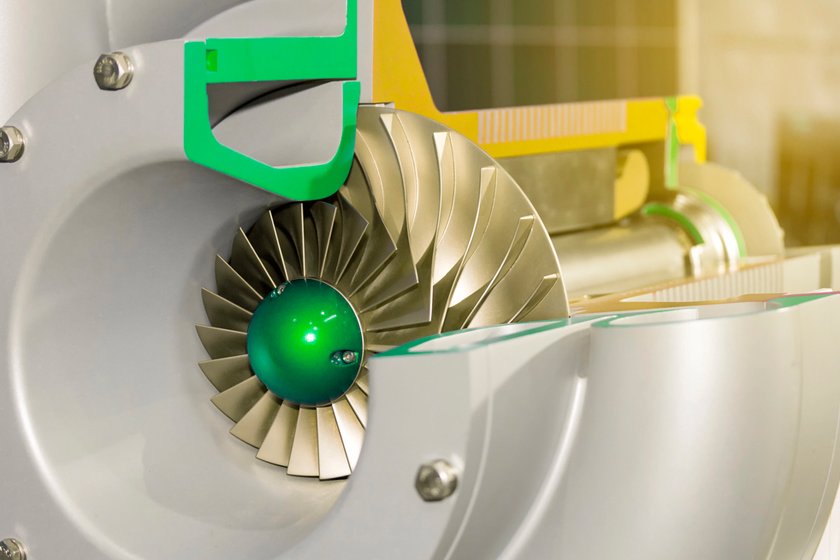
Modern hot air parts dryer systems utilize high-velocity air jets or centrifugal blowers to ensure forced convection and deep penetration into complex part geometries. The heat rapidly lowers the relative humidity of the air contacting the part, maximizing the rate of evaporation.
Heat drying is an effective method when faster drying times are required, although care must be taken to avoid damaging sensitive components due to high temperatures. The key is finding the right balance of heat and time to ensure parts remain intact without being compromised.
Vacuum Drying
Vacuum drying is a method that removes moisture by reducing the pressure around the part, which lowers the boiling point of the water. This makes it possible to remove moisture from delicate parts without applying high heat, thus preventing potential damage.
Vacuum drying is often used in applications where other drying methods would be too harsh, such as for electronic components or sensitive materials. This method is highly efficient but requires specialized equipment and a controlled environment, which can increase the cost of implementation.
Infrared Drying
Infrared drying uses infrared light to heat parts and evaporate moisture. This method is ideal for applications where fast drying is required, as the infrared radiation directly heats the material, speeding up the process. Infrared drying is often used in the coating industry, where parts need to be dried quickly after painting or coating.
While infrared drying can be faster and more energy-efficient than traditional heat drying, it requires precise control to prevent overexposure or uneven heating of parts. It’s most effective when the parts have relatively uniform shapes and sizes.
The Importance of Choosing the Right Part Drying System
Selecting the right part drying system is important for industries where moisture can have a detrimental effect on the quality of products or the efficiency of production processes. Each method offers distinct advantages depending on the material and production requirements.
Understanding the drying requirements for your specific industry will help ensure you choose the most suitable system for your needs.
Selecting the Best Industrial Parts Drying Method for Your Needs
The key to achieving optimal drying results lies in understanding the specific needs of your production process and selecting the right drying method. Whether you're considering air drying, heat drying, or more specialized methods like vacuum or infrared drying, it’s important to choose a system that aligns with both your operational and cost requirements.
At Baron Blakeslee, we offer a range of drying solutions designed to meet the unique needs of industrial part drying systems. We are a leading manufacturer of industrial equipment with decades of experience. Our team delivers innovative, reliable, and efficient solutions tailored to the unique needs of our clients.
We work closely with diverse industries, providing expert guidance and support to provide the best drying solutions for every application. Whether you need custom-built systems or standard drying solutions, we are the trusted partner for optimizing your production processes.
To learn more about how we can help optimize your drying process, contact us today.