The right fabrication partner can affect a project's outcome long before the first piece of metal is cut. The right team brings engineering insight, reliable equipment, and practical experience that keep production on schedule and components performing as intended. The wrong choice can lead to delays, redesigns, or parts that fail under real operating conditions.
Companies that understand how to choose the best fabrication service provider tend to avoid those setbacks. They look beyond price and focus on experience, communication, material expertise, and long-term reliability.
Baron Blakeslee has delivered industrial equipment and fabrication solutions since 1920. Our work across industries such as aerospace, medical, electronics, and energy grants us insight into what truly matters when evaluating a fabrication partner. The following tips come from real-world experience and projects that require consistent performance.
How to Choose the Best Fabrication Service Provider
Is fabrication a service or a product? In practice, it combines both. The finished component matters, but the engineering, communication, material selection, and finishing processes shape the final outcome just as much as the metal itself.
A fabrication service provider should function as part of your production team. Design feedback, manufacturing input, and realistic timelines help prevent costly revisions later.
With that perspective in mind, the following tips can help guide your decision.
Prioritize Relevant Experience
Experience influences far more than production speed. It affects design decisions, material selection, and how problems are handled during fabrication.
A shop that has built pressure vessels, control panels, and custom equipment will approach projects differently than one focused only on basic structural components. Exposure to multiple industries builds stronger technical judgment.
Look for providers that have completed projects similar to yours. Ask about:
- Industries served
- Types of assemblies produced
- Typical project sizes
- Performance requirements of past builds
Relevant experience often leads to fewer design revisions and more predictable results.
Evaluate Engineering Depth
Fabrication works best when engineering and manufacturing operate as a single continuous process rather than as two separate steps. Design reviews and technical input in the early stages help reduce material waste, simplify production, and prevent issues that might not appear until fabrication begins.
A capable engineering team looks at more than drawings. They consider how parts will be cut, formed, welded, assembled, and tested. Design adjustments made at this stage can shorten production time and reduce the number of revisions later.
Engineering teams with real fabrication experience can recommend materials that perform well under actual operating conditions. They can also refine layouts, improve structural integrity, and integrate electrical components more effectively.
Projects that involve strong engineering are often completed with fewer delays, fewer changes, and more predictable results.
Examine Equipment and Technology
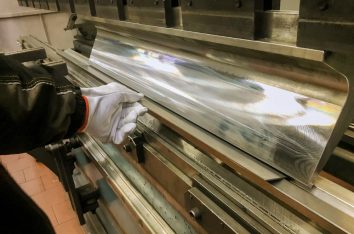
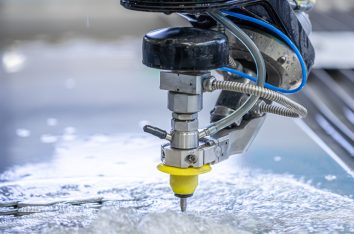
Modern fabrication depends on advanced machinery that delivers repeatable accuracy. CNC machining centers, laser cutting systems, and precision forming equipment allow tight tolerances and consistent output across production runs.
Facilities that rely on outdated equipment may struggle to meet specifications or meet compressed timelines. Newer technology provides more accurate cuts, cleaner edges, and faster processing, all of which contribute to better-finished components.
Modern systems also reduce scrap material and minimize rework. That leads to more efficient production and fewer unexpected costs. Technology alone does not determine quality. However, it presents the tools needed for precise, repeatable fabrication. Skilled operators paired with advanced equipment deliver consistent results.
Confirm Material Expertise
Different materials respond in unique ways during cutting, forming, and welding. Stainless steel, aluminum, carbon steel, and galvanized components all require specific handling methods and process adjustments.
Material knowledge directly affects:
- Weld quality
- Structural strength
- Corrosion resistance
- Heat distortion
- Surface finish
A fabrication provider should demonstrate experience with a wide range of materials and assemblies. This includes sheet metal components, pressure vessels, machined parts, and welded structures.
Material expertise also helps prevent problems such as warping, cracking, or premature wear. A team that understands how materials behave under heat and stress can recommend better fabrication methods and finishing processes.
Review Quality Control Practices
Quality control should be applied throughout the fabrication process instead of appearing only at the final inspection stage. Material checks, in-process measurements, and final testing all contribute to reliable performance and consistent results.
Key quality practices often include:
- Incoming material verification
- Dimensional inspections during fabrication
- Weld quality checks
- Electrical testing for control panels
- Final acceptance testing
Consistent quality procedures help maintain reliability across multiple production runs. They also reduce the risk of failures once the equipment reaches the field.
Strong quality programs also create traceability. Documentation of inspections, materials, and test results gives customers greater confidence in the finished product. It also simplifies future maintenance, replacement orders, or system upgrades because detailed records already exist.
Look for In-House Finishing and Assembly
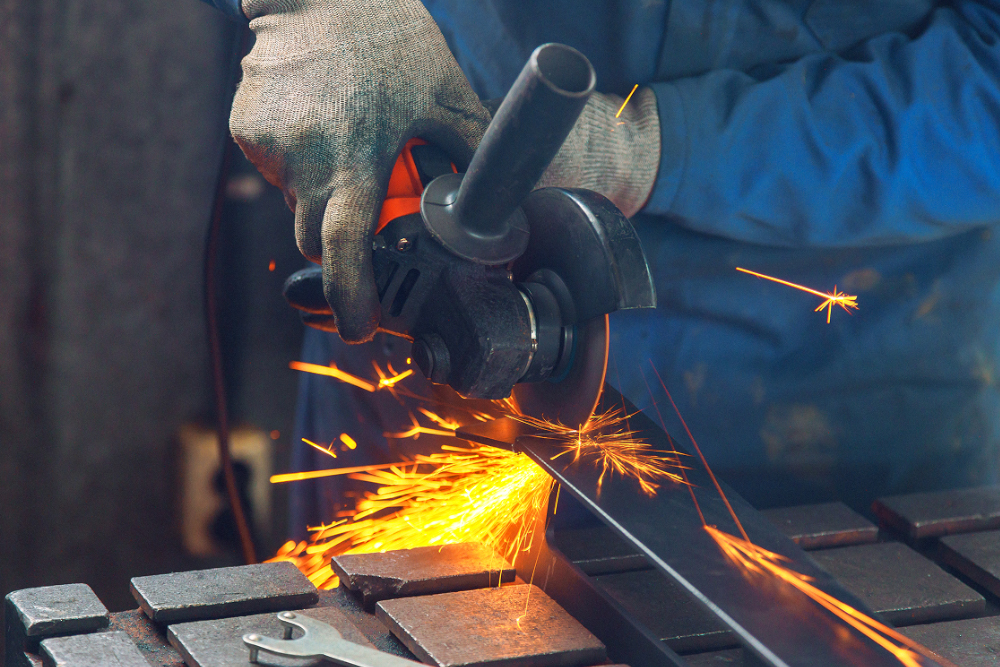
Fabrication rarely ends once the cutting and welding are complete. Finishing, coating, assembly, and testing all affect the product's final performance. A component may meet dimensional requirements, yet still fall short if finishing processes are inconsistent or delayed.
Shops with in-house finishing capabilities maintain better control over the entire workflow. Parts move directly from fabrication to coating or assembly without waiting for outside vendors. This approach reduces handling, shortens lead times, and improves consistency across large or complex builds.
In-house assembly also allows technicians to spot issues earlier. Electrical panels, mechanical components, and structural elements can be fitted and tested together in the same facility. That level of integration often leads to better alignment, fewer adjustments, and more reliable finished systems.
Assess Facility Size and Production Capacity
Facility size plays a major role in how efficiently a project moves through production. Limited floor space or crowded work areas can create bottlenecks, especially when handling large assemblies or multiple projects simultaneously.
A well-organized facility provides dedicated areas for machining, welding, forming, assembly, and testing. This separation helps maintain workflow efficiency and reduces the chances of delays caused by shared equipment or limited space. Large floor areas also make it easier to handle oversized equipment, pressure vessels, or multi-stage assemblies.
Companies planning long-term production runs should also consider future capacity. A provider with room to expand operations can handle increased demand without major disruptions. That flexibility becomes especially valuable when product lines grow or new equipment is introduced.
Organizations that require both fabricated components and specialized equipment can review our available systems at Baron Blakeslee.
Evaluate Communication and Project Coordination
Fabrication projects often involve design adjustments, material substitutions, or schedule changes. Clear communication helps prevent small issues from turning into costly delays.
Reliable fabrication providers should maintain open lines of communication throughout the project. Dedicated contacts keep customers informed about progress, timelines, and any challenges that arise during production. Regular updates help customers plan installation, shipping, and integration with other systems.
Coordination becomes even more important for custom equipment or multi-stage assemblies. Engineering, fabrication, finishing, and testing all need to align with the project schedule. Close communication across these stages helps keep the project on track and reduces the risk of last-minute surprises.
Verify Certifications and Compliance
Certifications show that a fabrication provider understands industry standards and regulatory expectations. Projects involving pressure vessels, electrical control panels, or other safety-critical components often require documented compliance before they can move into operation.
A qualified provider should be familiar with relevant welding standards, pressure vessel requirements, and electrical certification. These credentials indicate that fabrication methods follow recognized procedures and that the finished components meet inspection requirements.
Certified facilities also tend to follow structured fabrication best practices throughout the project. Documentation, inspection records, and process controls all contribute to more predictable results. This level of discipline reduces the risk of inspection failures, rejected components, or costly rework once equipment reaches the installation stage.
Consider Long-Term Value, Not Just Price
Initial pricing doesn’t usually reflect the full cost of a fabrication project. Lower bids may come from shops with limited engineering input, outdated equipment, or finishing processes handled by outside vendors. These factors can lead to delays, inconsistent quality, or additional revisions later.
Long-term value comes from reliability and consistency. Fabrication partners that maintain steady production schedules, deliver uniform component quality, and understand your design standards can help minimize unexpected costs. Familiarity with your equipment and specifications also makes repeat orders faster and more efficient.
Companies that build long-term relationships with fabrication partners often experience smoother production cycles and fewer disruptions. Over time, this familiarity leads to better coordination, shorter lead times, and fabrication results that match real-world performance expectations.
Practical Fabrication Best Practices for Reliable Results
Strong fabrication outcomes come from disciplined processes and experienced teams. Over time, certain practices have proven effective across multiple industries. These practices help reduce unexpected issues and maintain consistent performance across production runs.
Common fabrication best practices include:
- Early design reviews to identify production challenges
- Material selection based on operating conditions
- Consistent inspections during fabrication
- Integrated finishing and assembly processes
- Clear communication throughout the project lifecycle
Partner with a Fabrication Team that Understands Your Industry
Choosing a fabrication provider involves more than comparing quotes. Experience, engineering knowledge, equipment, and communication practices all influence the final outcome.
At Baron Blakeslee, we design and manufacture industrial equipment in our Williamstown, West Virginia, facility. Our team handles contract engineering, CNC machining, sheet metal fabrication, pressure vessels, electrical panels, and full equipment assemblies for a wide range of industries.
Decades of experience have directed the way we approach fabrication, from early design discussions to final testing. Companies looking for reliable fabrication partners can benefit from a team that understands both engineering requirements and production realities.
Contact us to discuss your next fabrication project with our engineering team.