Aircraft components are exposed to constant vibration and temperature fluctuations. Ground vehicles have to push through dust and mud and endure impact loads. Electronics must continue to operate in tight enclosures where heat, moisture, and contamination are constant concerns.
Sheet metal fabrication for military programs forms the structural backbone of these systems. They help create the enclosures, frames, and protective components that allow mission-critical equipment to perform under pressure.
From avionics housings to armored vehicle brackets, fabricated metal parts must meet strict material and tolerance requirements. Manufacturing teams must control forming, welding, finishing, and cleaning processes to meet demanding specifications.
At Baron Blakeslee, we support aerospace and defense manufacturers by offering precision cleaning for parts before coating, assembly, or final installation. With equipment designed and built in the United States since 1920, our systems fit into production environments that rely on repeatable, high-quality results.
Sheet Metal Fabrication for Military: What Sets It Apart
Military fabrication differs from commercial production in several ways. The parts must perform in hostile environments, and the manufacturing processes must meet strict standards. Materials, finishes, and tolerances are tightly controlled from the first cut to the final inspection.
Fabricated components often include:
- Electronics enclosures for radar and communications systems
- Structural brackets and mounting hardware
- Chassis for avionics and ground equipment
- Heat shields for engines and exhaust systems
- UAV and drone body panels
- Vehicle and aircraft support structures
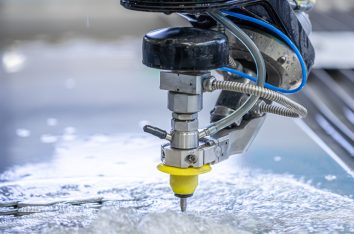
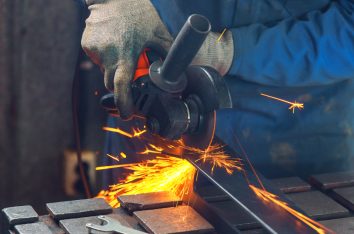
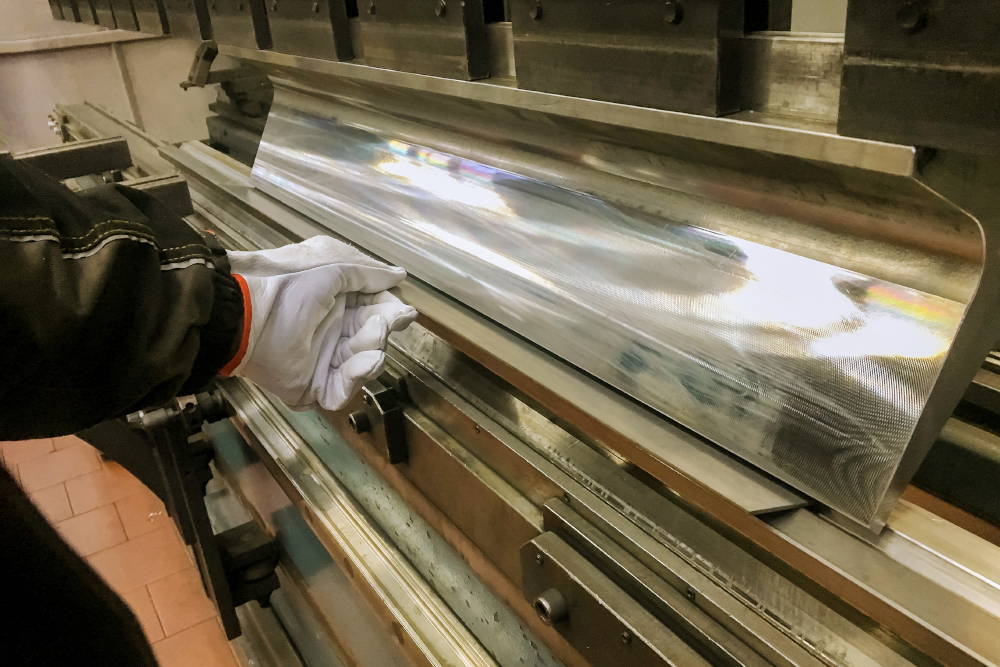
These parts move through multiple production stages, from cutting and forming to welding, finishing, and cleaning. Many manufacturers rely on integrated industrial fabrication services to keep these steps coordinated and consistent.
Military sheet metal work also requires an in-depth understanding of the end use. A bracket that holds a sensor in place must resist vibration and temperature swings. An enclosure for a communications unit must protect against dust and moisture while also preventing electromagnetic interference. Fabrication teams must consider these conditions from the start.
Materials and Alloys Used in Defense Fabrication
Material selection plays a major role in how a component performs in the field. Engineers must balance weight, durability, corrosion resistance, and cost when choosing the right metal.
1. Aluminum Alloys
Aluminum is widely used in aircraft structures, UAV components, and electronics housings. Alloys in the 5000 and 6000 series provide a mix of strength and formability. Lightweight construction reduces overall system weight and helps improve fuel efficiency and maneuverability.
2. Stainless Steel
Stainless steel appears in parts exposed to moisture, chemicals, or salt air. Frames, brackets, and structural components often rely on stainless grades for corrosion resistance. These materials hold up well in harsh environments such as naval operations or humid climates.
3. Carbon Steel
Carbon steel is common in structural applications where strength and cost control are priorities. Panels, mounts, and support frames often use this material. Protective coatings or plating help reduce the risk of corrosion.
4. Copper and Specialty Metals
Copper is used for electrical contacts, grounding components, and thermal management parts. Its conductivity makes it valuable in systems that require efficient heat transfer or electrical performance.
Material specifications in military programs are rarely flexible. Fabricators must follow exact alloy and finishing requirements, often tied to military standards.
Precision Requirements in Sheet Metal Fabrication Aerospace Programs
Aerospace and defense components must fit together with minimal tolerance variation. A small deviation can cause alignment issues, vibration problems, or premature wear. Precision machining and forming equipment help maintain these tight tolerances, but process control matters just as much.
Sheet metal fabrication for aerospace projects often requires:
- Accurate bends and formed features
- Consistent material thickness
- Reliable weld penetration and strength
- Surface finishes compatible with coatings or adhesives
Fabrication alone does not guarantee performance. Residues from cutting fluids, stamping oils, or machining operations can interfere with coatings, electrical contacts, or bonding processes. Cleaning systems remove these contaminants before the part moves to the next stage.
Key Military Components Produced Through Sheet Metal Fabrication
Military sheet metal fabrication supports a wide range of systems, from communications equipment to armored vehicles. The following sections highlight some of the most common component categories.
1. Electronics Enclosures and Housings
Communications systems, radar units, and sensors require protective enclosures. These housings should guard against dust, moisture, and vibration. Many also include EMI or RFI shielding to prevent interference.
Fabricated enclosures often feature:
- Precision cutouts for connectors and controls
- Reinforced mounting points
- Integrated shielding features
- Corrosion-resistant finishes
2. Brackets, Mounts, and Structural Frames
Weapons systems, antennas, and vehicle subsystems rely on brackets and mounting hardware. These components must maintain alignment and structural integrity during operation.
Common fabrication steps include:
- Laser cutting or punching
- Forming and bending
- Welding or fastening
- Surface finishing and coating
3. Thermal Shields and Engine Components
Heat shields protect engines, exhaust systems, and sensitive electronics. Fabricated metal barriers help manage thermal cycling and vibration in high-temperature environments.
4. UAV and Drone Structures
Unmanned aerial systems require lightweight parts with high strength-to-weight ratios. Aluminum sheet metal components help meet these demands. Fabrication processes must maintain tight tolerances to keep flight systems balanced.
Cleaning and Surface Preparation in Military Fabrication
Fabrication processes leave behind oils, coolants, metal particles, and other residues. These contaminants can interfere with coatings, adhesives, and electrical connections. Cleaning becomes a core step before finishing or assembly.
Typical cleaning stages include:
- Vapor degreasing to remove oils and machining fluids
- Aqueous cleaning for removal of water soluble / inorganic contaminants, stripping of rust / oxidation, or passivation
- Drying and surface preparation
- Solvent recovery and recycling
Clean surfaces help improve coating adhesion and reduce corrosion risks. They also help maintain electrical performance in sensitive assemblies.
In many defense manufacturing environments, cleaning systems operate alongside fabrication equipment. Integrated processes reduce handling steps and help maintain consistent results. Facilities involved in defense production often rely on these controlled cleaning stages to meet strict specifications.
Supply Chain Pressures and Evolving Defense Requirements
Modern defense programs face a changing manufacturing landscape. Material prices have risen, and advanced military equipment requires more complex fabrication techniques. New aircraft, space systems, and advanced mobility platforms demand components with tighter tolerances and lighter weights.
Manufacturers must handle:
- Complex geometries and multi-axis forming
- Advanced alloys with unique forming characteristics
- Shorter production cycles
- Strict inspection and documentation requirements
Partnerships between defense contractors and specialized fabricators have become more common. Outsourcing certain fabrication or cleaning steps helps keep production schedules on track and reduces bottlenecks.
Quality Control and Inspection in Military Fabrication
Military contracts often require detailed inspection and documentation. Fabricated parts must pass dimensional checks, weld inspections, and surface evaluations before they move to assembly.
Common inspection methods include:
- Coordinate measuring machine verification
- Visual weld inspections
- Non-destructive testing
- Coating thickness measurements
- Surface cleanliness testing
The Role of Integrated Fabrication and Cleaning Systems
Modern defense production relies on systems that connect fabrication, cleaning, and finishing. Integrated setups reduce handling, improve consistency, and help maintain production flow.
Advantages of integrated systems include:
- Fewer contamination risks between steps
- Lower solvent consumption through recovery systems
- Improved process control
- Reduced manual handling
Facilities that combine fabrication and cleaning processes often see more consistent part quality. Components move directly from forming or machining to cleaning, reducing the risk of contamination.
Reliable Cleaning Solutions for Military Fabrication Programs
Military hardware does not get second chances in the field. A single contaminated surface, a poorly finished enclosure, or a structural component that falls outside tolerance can affect performance across an entire system.
Baron Blakeslee offers cleaning systems that fit into these production environments. Our vapor degreasing equipment, aqueous systems, and solvent recovery technologies are engineered and manufactured in the United States. With experience dating back to 1920, we work with aerospace and defense manufacturers who require consistent performance from their equipment.
Contact our team to discuss application requirements and equipment options. Our engineers can evaluate your process and recommend solutions for military and aerospace production lines.