Quick Summary: Efficient solvent recovery depends on stable feed conditions, proper still sizing, disciplined operation, reliable transfer systems, and preventive maintenance. Controlling contamination and measuring recovery performance helps manufacturers improve solvent recycling efficiency, reclaim more usable solvent, reduce waste, minimize production interruptions, and make informed improvements to the cleaning process.
Improving solvent recycling efficiency requires more than raising the still temperature or extending a batch.
Distillation works best when the feed, equipment, operating settings, and maintenance practices remain within a defined range. Changes in soil loading, water content, solvent composition, or throughput can alter recovery quality and cycle time.
The five methods below focus on practical controls that help facilities recover useful solvent while managing residue, production demand, energy use, and operator workload.
Control What Enters the Recovery System
The first opportunity to improve efficiency often begins before the distillation process. Excess oil, metal chips, fines, water, and mixed chemicals increase the workload placed on the still. These contaminants can extend processing time, foul heat-transfer surfaces, complicate residue removal, and reduce the quality of recovered solvent.
Review how contamination enters the cleaning system. Better upstream draining, chip removal, part orientation, and disciplined production practices reduce unnecessary contamination. Avoid introducing unapproved cleaning agents or fluids that could create incompatible mixtures. If multiple production lines share the same solvent, document the soils and additives associated with each source.
Filtration removes suspended solids before they reach the still, but it cannot replace distillation for dissolved oils and other contaminants. Filter type, micron rating, and replacement intervals should match the application.
Monitoring pressure or flow trends often provides a more accurate indication of filter condition than relying only on scheduled replacement dates.
Keep Operating Variables Within a Qualified Range
Distillation depends on controlled heat input, vapor condensation, liquid level, cooling performance, and residue concentration.
Operating outside the intended equipment range can reduce recovery performance or increase solvent carryover. Follow the approved process recipe for each solvent and contamination level instead of applying identical settings to every production batch.
Monitor liquid temperature, vapor behavior, cooling performance, feed rate, distillate flow, and residue condition throughout operation. Changes in these trends may indicate fouled equipment, utility problems, sensor issues, or differences in feed composition. Recording these observations helps operators distinguish normal process variation from developing problems.
Avoid pushing residue concentration beyond established operating limits in pursuit of a small amount of additional solvent recovery. Excessive concentration can complicate cleanout procedures and increase thermal stress on residue.
The proper endpoint balances recovery performance, safe handling, equipment condition, and waste management.
Match Still Capacity to Actual Production Demand
A still that is too small may become a bottleneck, allowing dirty solvent to accumulate or forcing the cleaning machine to operate with a higher contaminant level.
A system that is substantially oversized may cycle inefficiently at low feed volumes. Capacity selection should reflect average demand, peak loading, operating schedule, soil concentration, and planned growth.
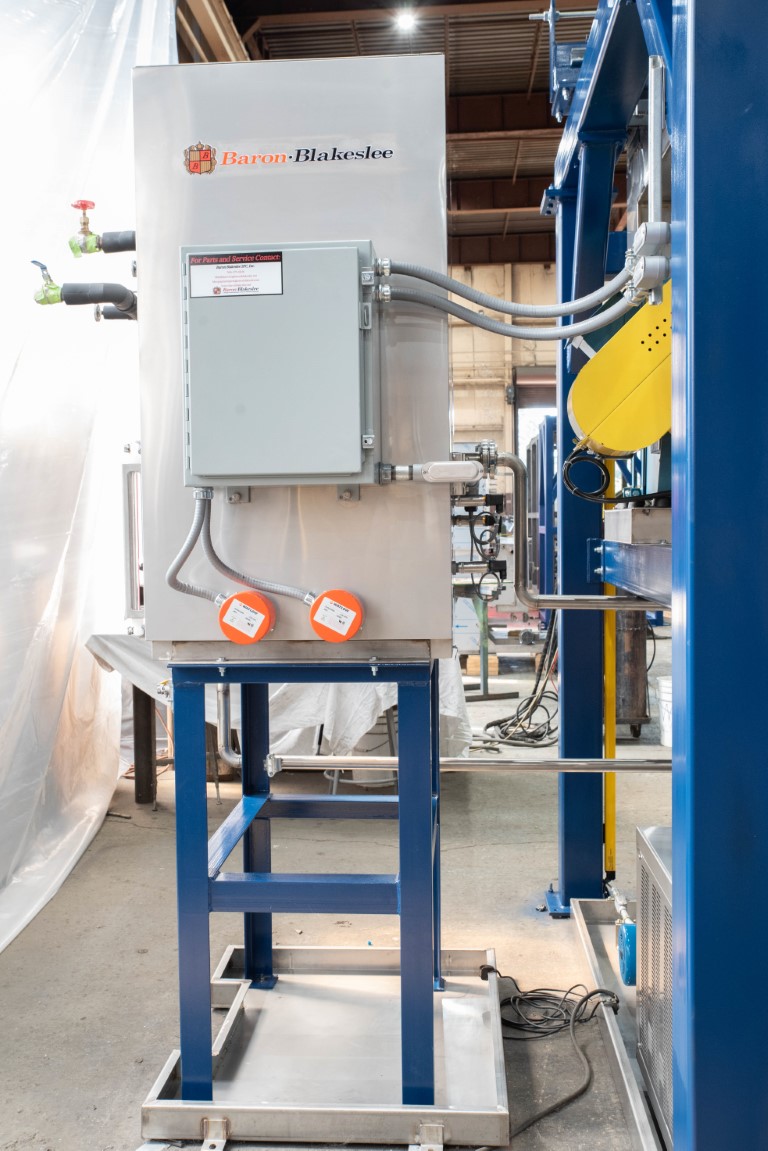
Our solvent recycling systems include application review for products ranging from compact units to industrial stills with high distillation rates. Heating and cooling utilities, solvent boiling characteristics, storage volume, and transfer distance are part of the sizing decision.
For M-Series vapor degreasers, MRR Precision Stills use automated transfer and a closed-loop design. Small- to medium-sized cleaning applications with light or moderate soil loading may be better matched to a Nanostill distillation system. The correct selection depends on the complete process, not just alone.
Improve Transfer, Storage, and Integration
Every manual transfer creates opportunities for delays, contamination, solvent loss, or incorrect connections. Closed or automated transfer between the cleaning system, still, clean solvent storage, and waste containers creates a more consistent workflow. It also reduces manual handling when equipment and facility layouts are designed appropriately.
Storage tanks should match operating volume requirements and be positioned for dependable transfer. Level controls, compatible seals, suitable piping, and clear identification reduce the risk of overfilling and cross-contamination.
Water separators and cooling systems also require regular maintenance because moisture can affect solvent quality and cleaning performance.
Use Maintenance and Data to Prevent Efficiency Loss
Heat-transfer surfaces, condensers, sensors, pumps, valves, filters, separators, and seals gradually influence equipment performance over time.
A preventive maintenance program should reflect operating hours, contamination levels, observed process trends, and manufacturer recommendations. Waiting until performance declines significantly often leads to avoidable waste and production downtime.
Track the volume of contaminated solvent processed, clean solvent recovered, residue removed, energy or utility consumption when practical, and cycle duration. Recovery percentage alone may be misleading if water or mixed fluids enter the feed. Pair production data with solvent quality testing and cleaning performance evaluations.
Compare current operating results against a stable performance baseline. Longer heat-up times, reduced distillate flow, warmer condensate, frequent alarms, or unusual residue may indicate the need for inspection.
Performance data also helps determine when filtration improvements, operator training, still resizing, or process modifications will produce meaningful gains in solvent recycling efficiency.
Build a More Efficient Recovery Process With Baron Blakeslee
Baron Blakeslee has manufactured robust standard and custom industrial equipment in the United States since 1920. We can review your solvent, soil load, degreaser, recovery target, utilities, storage, and production schedule.
Our team supports application testing, equipment selection, installation, training, technical service, replacement parts, and maintenance planning for dependable recovery workflows in both existing and newly planned facilities.
Connect with us today to learn more!