Quick Summary
Medical manufacturing depends on precision at every stage of production. Even the smallest contaminant can affect the performance of surgical tools, implants, diagnostic equipment, and other healthcare components. That is why metal cleaning systems for medical devices continue to play an important role in modern manufacturing environments.
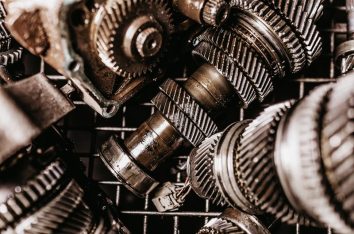
Medical parts often contain oils, polishing compounds, machining residue, fingerprints, and particulate contamination after fabrication.
If these materials remain on the surface, they may interfere with assembly, coating adhesion, sterilization, or long-term device performance. Cleanliness standards within the medical industry have become more demanding as device designs continue evolving.
Manufacturers now place greater focus on repeatable cleaning methods that support product quality while maintaining production efficiency.
Cleanliness Supports Product Reliability
Medical devices frequently feature complex geometries and extremely small tolerances. Components used in minimally invasive tools, orthopedic implants, and electronic medical assemblies require consistent surface preparation before moving into the next manufacturing phase.
Residue left behind after machining or fabrication may contribute to corrosion, discoloration, or bonding issues. In some cases, contamination can affect the performance of sensitive medical equipment. Proper cleaning processes help reduce these risks while supporting a cleaner production environment.
Many manufacturers use automated cleaning solutions because they produce more repeatable results than manual cleaning alone. Consistency matters in medical production since variation between batches can create complications later in the process. This is why metal cleaning systems for medical devices are widely adopted across high-precision facilities.
Precision Cleaning Helps Support Regulatory Expectations
Medical manufacturers operate in highly regulated environments. Documentation, validation, and process control all carry significant weight during production. Cleaning procedures often become part of a broader quality management strategy.
A properly designed cleaning process helps maintain cleaner components throughout production while aligning with internal cleanliness requirements. Factors such as solvent selection, drying performance, filtration, and material compatibility all influence final cleaning outcomes.
Different medical devices require different cleaning approaches. Stainless steel surgical tools may require a different process than titanium implants or delicate electronic assemblies. Production teams often evaluate contamination type, part geometry, and substrate sensitivity before selecting a cleaning method.
This level of customization has become increasingly valuable as medical technology grows more advanced.
Surface Quality Matters In Medical Applications
Surface quality affects more than appearance. Clean metal surfaces can support coating adhesion, welding consistency, laser marking, and passivation processes. In implant manufacturing, surface cleanliness may also influence biocompatibility preparation steps.
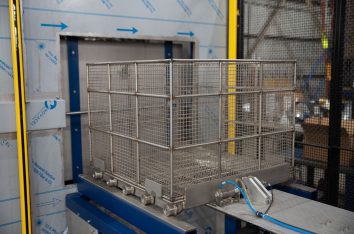
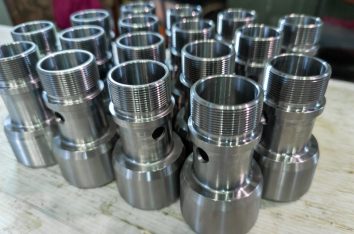
Manufacturers commonly look for cleaning systems capable of reaching small channels, threaded surfaces, blind holes, and intricate part features. Modern systems may combine cleaning, rinsing, drying, and filtration within a controlled process workflow.
Drying performance also plays a key role. Residual moisture may create spotting or interfere with downstream production stages. Controlled drying cycles help components move through production more efficiently.
Process Efficiency Continues To Shape Medical Manufacturing
Production efficiency remains a major priority for medical manufacturers facing rising demand and tighter timelines. Automated cleaning systems may reduce labor requirements while improving process consistency across larger production volumes.
Some facilities also explore environmentally conscious cleaning technologies, including halogen-free and PFAS-free processes. These approaches continue gaining attention as manufacturers align sustainability goals with operational performance.
At Baron Blakeslee, decades of experience in industrial cleaning technologies have supported precision manufacturing industries worldwide. Equipment is engineered and manufactured in the USA and includes standard and custom systems designed around specific application requirements. From vapor degreasing systems to advanced cleaning technologies, manufacturers rely on solutions built for demanding production environments.
As medical devices continue to evolve, metal cleaning systems for medical devices remain closely tied to quality, precision, and manufacturing consistency.
FAQs
What contaminants are commonly removed from medical device components?
Medical device components may contain machining oils, polishing compounds, metal fines, fingerprints, and particulate residue after fabrication. Cleaning systems help reduce these contaminants before assembly, coating, sterilization, or packaging.
Why is automated cleaning often used in medical manufacturing?
Automated cleaning systems help create more consistent cleaning results across production batches. They also support repeatable processing, reduced manual handling, and improved workflow efficiency in high-volume manufacturing environments.
What types of metals are commonly cleaned in medical device production?
Medical manufacturers frequently clean stainless steel, titanium, aluminum, and specialty alloys used in surgical instruments, implants, and diagnostic equipment. The cleaning method often depends on the material, contamination type, and surface requirements.