Quick Summary: Lift washing systems clean industrial components by combining immersion, mechanical movement, cleaning chemistry, temperature, and controlled processing time. Parts are loaded into a basket, lowered into a wash tank, agitated within the solution, and raised for drainage after cleaning. Additional stages can support rinsing, drying, filtration, and material handling according to production requirements, component characteristics, and cleanliness specifications.
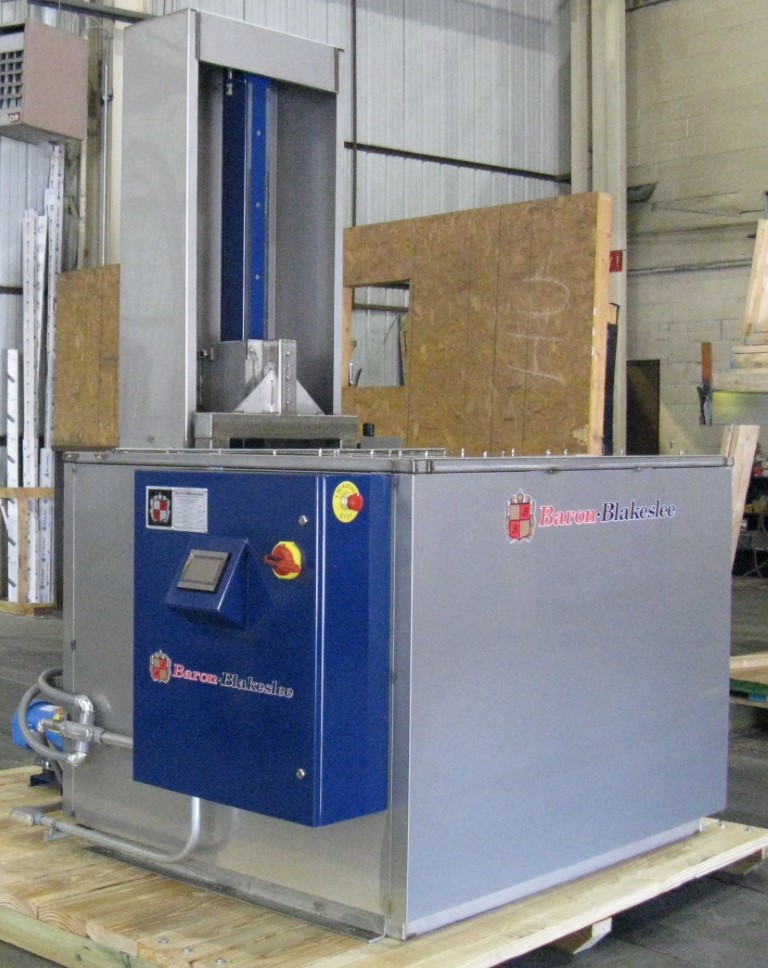
A modular lift washer cleans industrial components through controlled movement that lowers parts into a cleaning solution before raising them after the designated washing cycle. During immersion, mechanical agitation moves the solution around component surfaces, helping loosen oils, grease, machining residues, dirt, and other contaminants. This process creates controlled contact between cleaning chemistry and parts throughout each carefully managed production cycle.
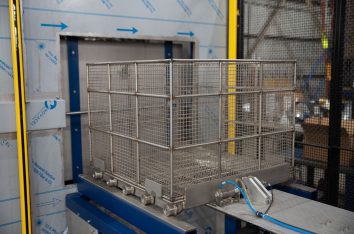
The process starts when operators load components into a basket, fixture, or carrier positioned above the washing tank. The lifting mechanism then lowers the load into the cleaning solution, where programmed movement creates agitation around exposed surfaces and difficult component features. After washing, the basket rises from the tank, allowing liquid to drain before rinsing, drying, inspection, or subsequent handling stages.
How Does a Modular Lift Washer Work?
The washing cycle begins with properly arranged components secured inside a basket or carrier before processing starts. The lifting mechanism lowers this load into the designated cleaning tank until the parts become immersed within the solution. Once submerged, controlled movement repeatedly raises and lowers the basket, creating mechanical action that circulates cleaning chemistry around contaminated surfaces and supports consistent contact throughout the washing cycle.
How Immersion and Agitation Clean Parts
Immersion surrounds component surfaces with cleaning solution, while agitation helps move fresh chemistry across areas that could remain difficult to reach through stationary soaking alone. Vertical basket movement can help expose different surfaces during repeated cycles, supporting contact around recesses, edges, openings, and other features. Cleaning chemistry then works alongside mechanical action to loosen contaminants from industrial components during processing.
What Happens After the Washing Cycle?
After the designated washing period ends, the lifting mechanism raises the basket above the cleaning tank, allowing residual solution to drain from the components. Depending upon the system configuration, parts can then move through additional rinsing or drying stages before reaching inspection, assembly, coating, packaging, or another downstream operation. This controlled sequence helps integrate cleaning into a broader manufacturing workflow.
How Does Modular Design Support Different Applications?
Modular construction allows cleaning equipment to incorporate different processing stages around the primary washing operation according to specific manufacturing requirements. Systems can include washing, rinsing, drying, filtration, solution management, and material handling capabilities within one coordinated process. This approach gives manufacturers flexibility when component dimensions, contamination levels, production volumes, floor space, or cleanliness requirements differ significantly between individual industrial applications.
What Factors Affect Cleaning Performance?
Cleaning performance depends upon several connected factors, including cleaning chemistry, solution temperature, agitation, immersion time, component geometry, and basket loading. Deep cavities, narrow passages, blind holes, and tightly positioned components can require carefully considered loading arrangements and cycle settings. Appropriate filtration and solution management can also support consistent operating conditions during repeated industrial cleaning cycles across production operations.
Why Equipment Configuration Matters
Selecting an industrial washing system requires careful consideration of the components, contaminants, production requirements, and downstream processes involved in each application. Equipment configuration can influence cleaning consistency, handling efficiency, cycle duration, and integration with existing production operations. We can assess these requirements and develop cleaning equipment around specific applications, including customized configurations, technical support, installation, training, maintenance, and replacement spare parts.
Building a Better Cleaning Process
Understanding how lift washing combines immersion, agitation, drainage, and additional processing stages helps manufacturers evaluate equipment based upon actual production needs. We apply decades of industrial cleaning expertise when developing systems around specific components, contaminants, throughput requirements, and process objectives. Baron Blakeslee brings this experience to customized industrial cleaning solutions. Contact us to discuss your application and equipment requirements.
FAQs
What is the primary function of a lift washer?
A lift washer immerses industrial components in cleaning solution while controlled movement creates mechanical action across contaminated component surfaces during processing cycles.
How does agitation assist industrial parts cleaning?
Agitation moves cleaning solution around components, helping loosen contaminants and increase chemical contact with complex or difficult-to-reach surfaces.
Can lift washing systems include additional stages?
Yes, modular systems can incorporate rinsing, drying, filtration, material handling, and other processing stages alongside the primary washing operation.
What determines the appropriate equipment configuration?
Component geometry, contamination, production volume, cleaning chemistry, temperature, cycle duration, handling requirements, and cleanliness specifications influence configuration decisions.