Quick Summary: Maintenance operations depend on clean components for accurate inspection, reliable repairs, and effective equipment restoration. Industrial degreasing systems remove oils, grease, coolants, chips, and other accumulated contaminants from parts through controlled cleaning processes. Depending on the application, equipment can combine solvent cleaning, washing, rinsing, drying, filtration, and material handling to support repeatable maintenance workflows and demanding component requirements.
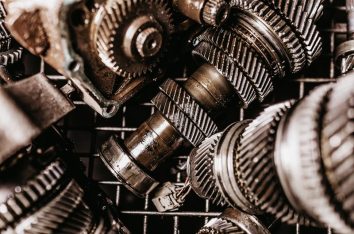
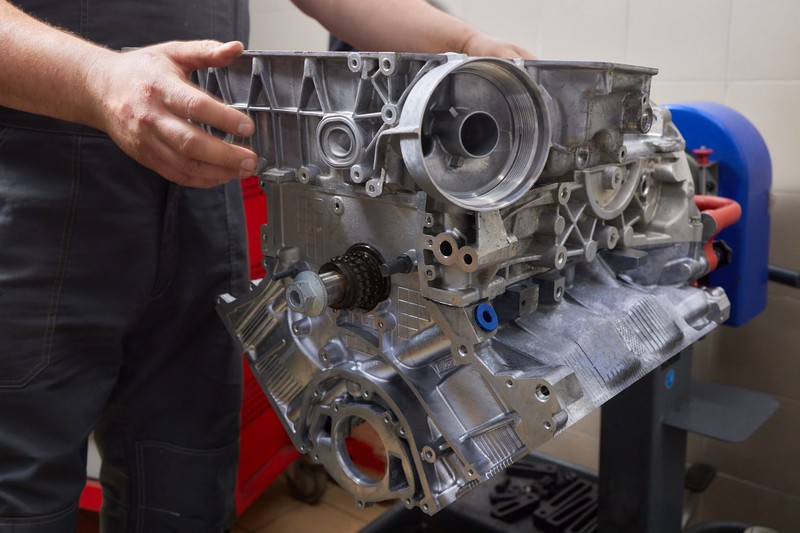
A degreasing machine for maintenance operation can simplify the cleaning of industrial components before inspection, repair, refurbishment, assembly, or equipment reinstallation. Maintenance parts frequently carry accumulated oils, grease, lubricants, coolants, metal particles, and other residues that interfere with detailed inspection. Controlled cleaning cycles help remove these contaminants consistently while reducing dependence upon labor-intensive manual scrubbing during maintenance activities.
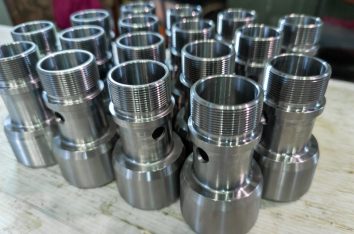
Maintenance environments can involve components with complex geometries, narrow passages, recessed surfaces, and tightly positioned features that require thorough cleaning. Equipment selection therefore depends upon component size, contamination type, material compatibility, cleaning chemistry, throughput, and required cleanliness levels. Properly configured systems can combine cleaning and drying stages, helping maintenance teams move cleaned components efficiently toward inspection, repair, or subsequent operational use.
How Degreasing Equipment Supports Maintenance Cleaning
Degreasing equipment supports maintenance operations by creating controlled conditions for removing oils, grease, coolants, chips, and other manufacturing or service-related contamination. Instead of relying upon inconsistent hand cleaning, operators can use defined cycles involving solvent contact, immersion, movement, and drying. This approach supports repeatable results when components require dependable cleanliness before technicians examine surfaces or begin repair procedures.
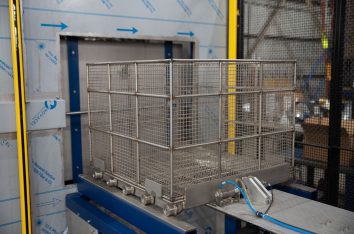
Cleaning equipment can also handle components in baskets or dedicated fixtures, allowing maintenance personnel to process several suitable parts within one cycle. Closed vacuum systems can clean and dry precision components without water or manual scrubbing, while different configurations accommodate varying load sizes and application requirements. These characteristics make controlled degreasing useful for maintenance environments handling diverse industrial components.
How Vapor Cleaning Reaches Difficult Component Areas
A vapor degreaser uses heated solvent vapor and condensation to contact component surfaces, supporting cleaning across intricate geometries that can challenge conventional methods. This approach can suit parts containing recesses, blind areas, and narrow passages where contamination requires thorough solvent contact. Proper solvent selection and process configuration remain important for achieving suitable cleaning performance while protecting component materials and meeting maintenance requirements.
Vacuum-based solvent systems can also combine cleaning and drying within an enclosed processing environment. Typical cycles can include washing, secondary washing, optional corrosion protection, and vacuum drying according to application requirements. These systems are designed for precision and critical parts cleaning, with available configurations supporting modified alcohols, aliphatic hydrocarbons, and other suitable cleaning fluids.
How Parts Degreasing Machines Improve Maintenance Efficiency
Parts degreasing machines can reduce repetitive manual cleaning by bringing washing, solution management, rinsing, drying, and handling into structured equipment cycles. This can help maintenance personnel spend less time performing labor-intensive surface cleaning and focus their attention upon inspection, troubleshooting, repair, and component preparation. Automated movement can further reduce unnecessary handling when equipment supports integrated loading and unloading capabilities.
Cleaning efficiency also depends upon matching equipment capacity with the dimensions, weight, quantity, and contamination levels of components entering maintenance operations. Systems can accommodate different basket sizes and load capacities, while custom configurations can address specialized application requirements. Proper equipment sizing helps maintenance teams avoid inefficient loading practices and supports smoother movement from contaminated components toward inspection and repair stages.
How Equipment Selection Creates a Better Maintenance Process
Selecting cleaning equipment requires consideration of contamination, component geometry, materials, load capacity, production frequency, cleanliness requirements, drying needs, and available workspace. We evaluate these factors when developing industrial cleaning equipment for demanding applications, including standard and custom configurations. Our engineering approach focuses on matching equipment capabilities with the actual maintenance process instead of treating every cleaning requirement as identical.
Maintenance operations can also benefit from systems designed around future process requirements, particularly when component types or cleaning volumes change over time. Equipment can incorporate specialized filtration, additional tanks, automated handling, drying capabilities, and other process features according to application needs. Thoughtful configuration creates a cleaning process that supports present maintenance demands while accommodating the operational characteristics of industrial facilities.
Building a More Reliable Maintenance Workflow
Effective component cleaning can support clearer inspections, smoother repairs, consistent preparation, and efficient movement through maintenance operations. We combine industrial cleaning experience with engineering capabilities to develop systems around contamination, component characteristics, throughput, and process requirements. Baron Blakeslee brings extensive expertise to industrial cleaning applications. Contact us to discuss your maintenance cleaning requirements and determine an appropriate equipment approach.
FAQs
What contaminants can degreasing equipment remove?
Degreasing equipment can remove oils, grease, coolants, chips, particulates, lubricants, and other industrial contaminants from suitable components during controlled cleaning cycles.
Why does drying matter during maintenance cleaning?
Drying removes residual cleaning fluid, helping components move efficiently toward inspection, repair, assembly, coating, or reinstallation without unnecessary waiting periods.
Can degreasing equipment clean complex components?
Yes, properly configured systems can clean recessed surfaces, narrow passages, blind areas, and intricate geometries requiring thorough cleaning and drying.