Quick Summary: Modified alcohol cleaning combines strong removal of oils and polar residues with controlled vacuum processing and efficient drying. A modified alcohol degreaser can be an excellent choice for many precision cleaning applications. The right solution depends on the substrate, soil combination, cleanliness requirements, equipment design, and facility needs, making representative testing an important part of selecting the best system.
A modified alcohol degreaser can be a strong option when manufacturers need to remove varied process soils from precision parts in a controlled system.
Modified alcohol solvents contain both nonpolar and polar characteristics. This allows them to address many oils, greases, machining fluids, and certain particulate or polar residues.
The chemistry is only one part of the result. Cleaning stages, vacuum level, temperature, filtration, part presentation, drying, and cycle development all influence performance. At Baron Blakeslee, we evaluate the complete application before recommending equipment or process settings.
Broader Soil Compatibility for Complex Cleaning Tasks
Traditional hydrocarbon solvents perform well on many nonpolar contaminants, particularly oils and greases. Modified alcohols expand that cleaning range by targeting certain polar contaminants as well. This broader capability can help facilities clean parts carrying blended lubricants, emulsions, fingerprints, fine particles, or residues from multiple manufacturing operations.
Testing remains essential before finalizing any process. Soil formulation, concentration, heat exposure, and part geometry can all influence cleaning results.
Representative testing identifies the ideal wash stages, exposure time, mechanical action, filtration requirements, and solvent condition for actual production environments.
Controlled Cleaning and Drying Under Vacuum
Modern modified alcohol and hydrocarbon degreasers commonly operate as enclosed vacuum systems. Reduced pressure can aid penetration into recesses and lower the effective boiling temperature during cleaning and drying. The closed chamber also permits repeatable recipes and controlled solvent handling.
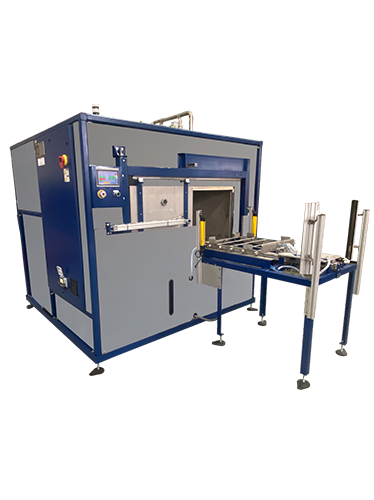
Our airless vacuum vapor degreasers are designed for cleaning with modified alcohol or hydrocarbon solvents.
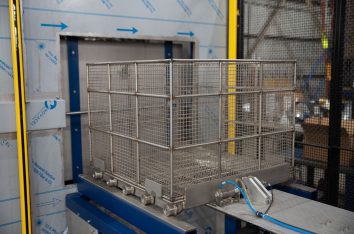
Available process features may include immersion, vapor phases, circulation, filtration, vacuum drying, and automated material handling. The final configuration should reflect the part size, soil, throughput, cleanliness specification, and solvent selected.
Potential Advantages for Precision Components
Enclosed vacuum processing works especially well for components with blind holes, internal passages, narrow clearances, or complex surface features. Controlled immersion and vapor cleaning help remove contamination from areas that are difficult to reach through conventional methods. Vacuum drying can also minimize retained liquid within challenging geometries.
Since modified alcohol cleaning is not water-based, many suitable applications eliminate the need for a separate aqueous rinse. This can simplify the drying process and reduce concerns about water retention on corrosion-sensitive materials.
Performance varies according to the part and chemistry involved, so corrosion, residue, and material compatibility testing should remain part of the qualification process.
A Flexible Path for Changing Production Needs
Many manufacturers process multiple part families on the same production line. Recipe controls enable a qualified system to adjust cleaning time, temperature, vacuum stages, and mechanical action for different production loads. Filtration and solvent management features also help maintain consistent bath quality as contamination levels change.
Some manufacturing operations benefit from combining solvent and aqueous cleaning methods.
Our hybrid degreasing systems are designed for applications that require the strengths of both technologies. Testing helps determine if a modified alcohol degreaser alone satisfies the required cleanliness standard or if a combined process sequence delivers better results.
Factors to Review Before Selecting a System
Assess substrate compatibility, soil composition, cleanliness limits, part geometry, cycle time, annual volume, filtration, solvent monitoring, ventilation, and maintenance access.
Facility codes and solvent safety data also influence equipment location and safeguards. Operators need clear procedures for loading, testing, waste handling, and routine care.
A lifecycle comparison should include solvent consumption, energy, labor, waste, rejected parts, maintenance, and downtime. The lowest purchase price does not necessarily produce the lowest operating cost. A robust system should deliver repeatable cleaning while fitting the plant’s staffing and production plan.
Discuss Modified Alcohol Cleaning With Baron Blakeslee
Baron Blakeslee has designed and manufactured industrial equipment in the United States since 1920. We can test your parts and soils, assess process requirements, and develop a reliable standard or custom cleaning system.
Our service approach includes engineering, installation, training, technical assistance, replacement parts, and maintenance support for dependable long-term operation over time. We also help manufacturers plan integration around production flow, utilities, loading, and future capacity.