Quick Summary: Solvent loss can reduce cleaning efficiency, increase operating costs, and create safety concerns around vapor degreasing equipment. Proper maintenance, controlled loading, effective cooling, suitable ventilation, and regular inspection can help limit unnecessary solvent loss. Process optimization also supports consistent cleaning performance while reducing avoidable vapor escape, equipment leakage, drag-out, and other conditions that contribute to solvent consumption.
A degreaser solvent leak can develop through equipment seals, piping, pumps, sumps, return lines, separators, or other points where solvent travels during processing. Identifying these areas through regular inspections helps operators address leakage before it becomes a persistent operating problem. Proper equipment maintenance also supports stable cleaning performance while reducing unnecessary solvent consumption during repeated industrial cleaning cycles.
A vapor degreaser relies upon controlled solvent vapor, condensation, and recycling to clean industrial components within an enclosed process. Solvent vapor rises toward cooling coils, condenses, and returns into the cleaning system rather than continuously escaping into the surrounding environment. Maintaining this controlled cycle requires suitable equipment operation, effective cooling, appropriate loading practices, and careful attention to surrounding airflow conditions.
How Regular Equipment Inspections Reduce Solvent Loss
Regular inspections help identify leakage around sumps, pumps, seals, gaskets, return lines, welds, water separators, and other components carrying solvent during operation. Refrigeration components also deserve attention because effective cooling supports vapor condensation and helps keep solvent within the processing system. Checking these areas according to equipment maintenance procedures allows developing problems to receive attention before they contribute to significant solvent loss or process disruption.
How Cooling Systems Control Vapor Escape
Cooling coils play an important role by creating a refrigerated zone that condenses rising solvent vapor back into liquid. If cooling performance becomes inadequate, vapor containment can suffer and solvent consumption can increase during operation. Regularly checking refrigeration performance, cooling temperatures, and related equipment conditions helps maintain effective condensation. Proper cooling therefore supports both process stability and responsible solvent management throughout repeated cleaning cycles.
How Proper Loading Practices Reduce Drag-Out
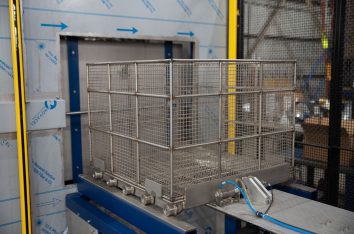
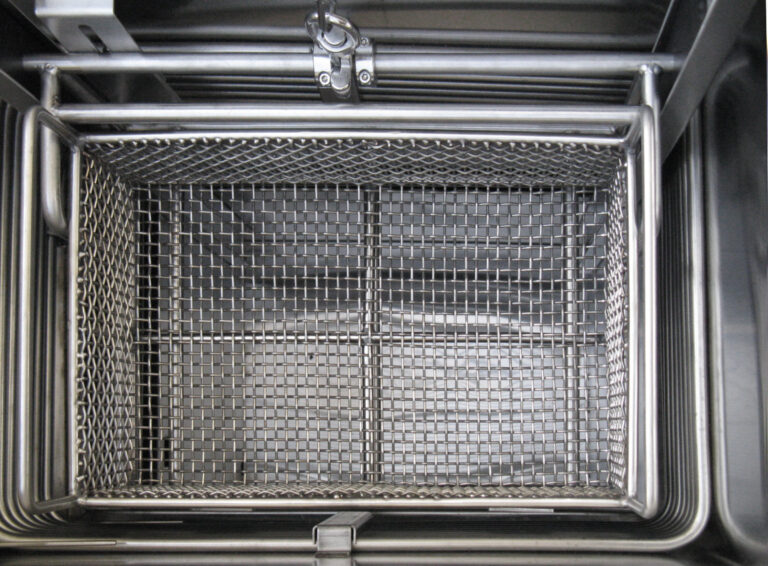
Loading practices influence how much solvent leaves the equipment with processed components after cleaning. Parts should be arranged to support suitable drainage and avoid unnecessary solvent retention within cavities, baskets, or recessed surfaces. Controlled withdrawal speeds and appropriate cycle settings can also reduce drag-out during unloading. Optimizing these factors helps limit solvent carried outside the machine while maintaining effective cleaning performance and practical production throughput.
How Facility Conditions Affect Solvent Loss
Air movement around vapor degreasing equipment can contribute significantly to solvent loss because drafts can disturb the controlled vapor zone. Air conditioning registers, open doors, windows, fans, and extraction points near the machine can create unwanted airflow around working areas. Positioning equipment away from disruptive drafts and maintaining suitable ventilation helps protect vapor containment while supporting safer and cleaner operating conditions within the facility.
How Proper Solvent Management Reduces Losses
Proper solvent management helps limit unnecessary consumption by maintaining appropriate solvent levels, monitoring contamination, and following established recovery procedures. Distillation and solvent recovery systems can reclaim usable solvent from contaminated cleaning fluid, reducing the amount requiring replacement. Regular monitoring also helps operators identify unusual consumption patterns that could indicate leakage, excessive drag-out, poor condensation, or other process conditions requiring attention.
How Process Optimization Limits Unnecessary Solvent Use
Optimizing individual cleaning cycles can reduce unnecessary processing time while maintaining required cleanliness levels for specific components and contaminants. Operators can establish validated programs around part geometry, soil type, cleaning method, cycle duration, and withdrawal conditions. Documented procedures give operators consistent instructions for different production requirements, reducing unnecessary experimentation and helping the equipment operate according to established cleaning parameters across repeated production cycles.
How the Right Degreasing System Supports Better Control
A solvent-based degreaser requires equipment designed around the selected solvent, component characteristics, production volume, cleaning requirements, and process conditions. We can evaluate these factors when developing systems that support controlled vapor processing, solvent recovery, maintenance access, and application-specific cleaning requirements. Baron Blakeslee combines engineering experience with standard and custom equipment capabilities. Contact us to discuss your vapor degreasing process and solvent management requirements.
FAQs
What commonly causes solvent loss during vapor degreasing?
Common causes include equipment leaks, excessive drafts, poor cooling performance, drag-out, improper loading, and inadequate maintenance around solvent-handling components.
How can cooling reduce vapor degreasing solvent loss?
Effective cooling condenses solvent vapor back into liquid, helping maintain the controlled vapor zone and reducing unnecessary vapor escape during operation.
Can loading practices affect solvent consumption?
Yes, proper loading and controlled withdrawal can reduce solvent retained on parts, baskets, and fixtures during removal from the cleaning system.
Why should vapor degreasing equipment undergo regular inspections?
Regular inspections help identify leaks, cooling problems, damaged seals, and other equipment conditions that can increase solvent loss or disrupt cleaning performance.