Quick Summary: Marine equipment manufacturing involves components exposed to oils, grease, lubricants, machining residues, and other contaminants throughout production. Industrial degreasing equipment removes these soils through controlled cleaning processes designed around component geometry, material, and production requirements. Properly configured systems can support consistent surface preparation, reduce manual cleaning demands, improve workflow efficiency, and prepare marine components for assembly, coating, inspection, and service.
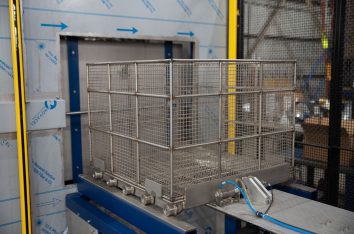
A degreaser machine for marine equipment manufacturing supports cleaner components by removing oils, grease, lubricants, and manufacturing residues from marine hardware and equipment. Consistent cleaning becomes important when components require subsequent coating, assembly, inspection, welding, or finishing. Controlled industrial cleaning cycles can also reduce repetitive manual work while creating dependable processing conditions across batches of components with different shapes and contamination levels.
Marine manufacturing involves components that can range from compact precision parts to large assemblies requiring substantial cleaning capacity and specialized handling. Industrial cleaning equipment can use solvent, aqueous, spray, immersion, or ultrasonic processes according to application requirements. Selecting an appropriate cleaning method requires consideration of contamination, component materials, geometry, production volume, cleanliness specifications, and downstream operations throughout the manufacturing process.
How Degreasing Improves Marine Component Surface Preparation
Degreasing equipment removes oils, grease, machining fluids, and other residues that can interfere with subsequent manufacturing processes. Cleaner surfaces support preparation for coatings, assembly, inspection, and finishing by reducing contamination left behind after machining or handling. Controlled cleaning cycles also create repeatable processing conditions, helping manufacturers maintain consistent component cleanliness instead of relying upon different manual techniques across production batches.
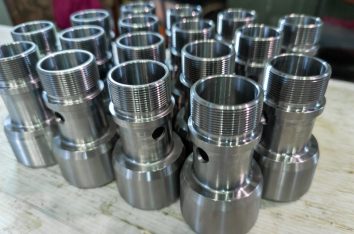
Marine components can contain recessed surfaces, narrow passages, cavities, and intricate geometries that require thorough contact with cleaning solutions. Properly selected equipment can combine immersion, agitation, spraying, or ultrasonic action according to the component and contamination involved. Industrial marine cleaning systems are available with different capacities and processing technologies, allowing equipment configurations to accommodate diverse component sizes and cleaning requirements.
How a Vapor Degreaser Supports Complex Component Cleaning
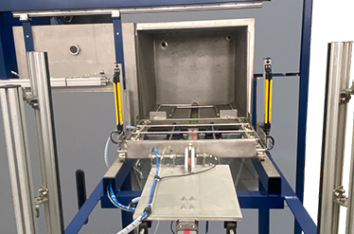
A vapor degreaser uses solvent vapor and controlled condensation to clean components, allowing cleaning fluid to contact surfaces that can be difficult to reach through conventional external cleaning methods. This approach can suit marine components containing recesses, internal areas, or intricate geometries where contamination requires thorough solvent contact. Process conditions should match the selected solvent, component materials, contamination profile, and required cleanliness level.
Vapor degreasers also incorporate controlled drying and solvent recovery as part of an integrated cleaning process. These capabilities can help manufacturers move cleaned components toward inspection, assembly, coating, or other downstream operations without adding unnecessary manual handling. The appropriate system depends upon component characteristics, production requirements, solvent considerations, and the cleaning objectives established for each manufacturing application.
How a Commercial Degreaser for Heavy Equipment Supports Maintenance
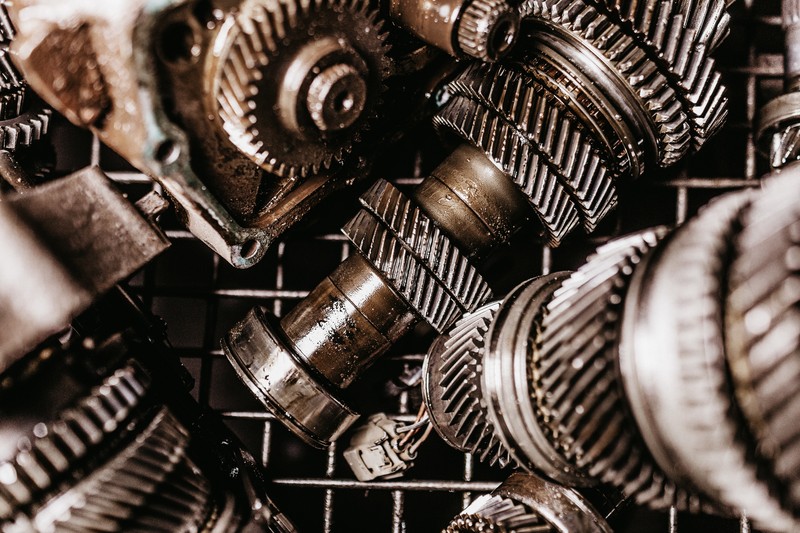
A commercial degreaser for heavy equipment can support maintenance activities by cleaning marine engines, machinery components, and other heavily contaminated equipment before inspection or repair. Removing accumulated oils, grease, and residues can make component surfaces easier to examine while reducing contamination during maintenance work. Ultrasonic systems are also used for marine engine and equipment maintenance where thorough cleaning of intricate components is required.
Cleaning equipment can also reduce dependence upon intensive hand scrubbing during maintenance operations involving complicated components. Ultrasonic systems use cavitation within a cleaning solution to create mechanical cleaning action around immersed parts, supporting thorough processing across complex surfaces. Equipment selection should still reflect component materials, dimensions, contamination, cleaning chemistry, and the specific maintenance process involved.
How Proper Equipment Selection Strengthens Manufacturing Operations
Choosing degreasing equipment requires evaluating component geometry, contamination, material compatibility, production volume, cleaning method, handling requirements, and downstream processes. We assess these factors when developing industrial cleaning equipment for demanding manufacturing applications, including systems requiring standard or customized configurations. Our engineering capabilities allow cleaning equipment to be matched with specific marine manufacturing conditions rather than forcing every application into one fixed design.
Moving Toward Cleaner Marine Manufacturing
A properly designed cleaning process can support cleaner components, consistent surface preparation, smoother production movement, and dependable downstream processing. We bring extensive industrial cleaning experience to applications involving complex components, demanding contamination, and specialized production requirements. Baron Blakeslee combines standard equipment with custom engineering capabilities for industrial cleaning applications. Contact us to discuss your marine equipment manufacturing requirements and determine a suitable cleaning approach.
FAQs
Why is degreasing important for marine equipment manufacturing?
Degreasing removes oils, grease, and manufacturing residues that can interfere with coating, assembly, inspection, finishing, and other downstream production processes.
What components can industrial degreasing equipment clean?
Industrial degreasing equipment can clean engines, machinery components, fabricated parts, hardware, and other marine equipment requiring controlled contamination removal.
When is vapor degreasing suitable for marine components?
Vapor degreasing can suit complex components requiring thorough solvent contact across recessed surfaces, cavities, narrow passages, and intricate geometries.