
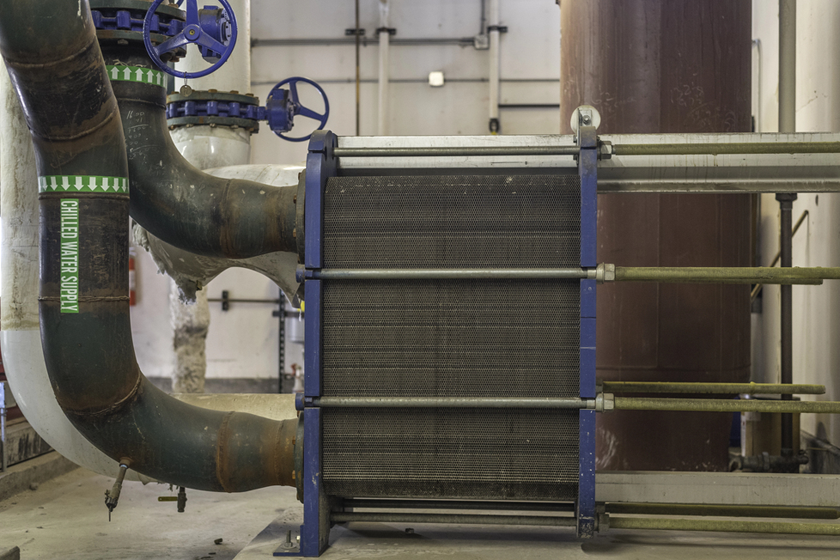
Pressure testing a heat exchanger is a vital step in confirming its integrity and safe operation. In industrial and marine systems, improper functioning can lead to leaks, equipment damage, and operational inefficiencies. Through pressure testing a heat exchanger, technicians can identify weak spots, check for leaks, and validate the structural soundness of the equipment before...
Author: admin

Is 70% Isopropyl Alcohol Safe For Electronics?
Cleaning electronics often requires careful consideration of the materials, components, and exposure to liquids. Many users wonder, is 70% isopropyl alcohol safe for electronics? While 70% isopropyl alcohol can remove dust, oils, and grime from certain surfaces, the water content in this concentration introduces risks. About 30% of the solution is water, which can seep...

How To Check Heat Exchanger Performance
Checking the efficiency and operation of a heat exchanger is an important step for industrial, commercial, and process systems. Understanding how to check heat exchanger performance allows operators to identify issues before they become costly. Monitoring performance not only ensures energy use is optimized but also reduces the risk of damage to critical equipment. In...
Contract Manufacturing Vs. Outside Processing: Which Is The Better Option?
Choosing the right production strategy can influence efficiency, cost, and overall business growth. Many companies face the decision between contract manufacturing and outside processing. Understanding how contract manufacturing works helps clarify its role compared to traditional outsourcing. In this post, we explore the differences, benefits, and limitations of both approaches, offering insight for companies looking...
7 Methods To Check Heat Exchanger Tubes
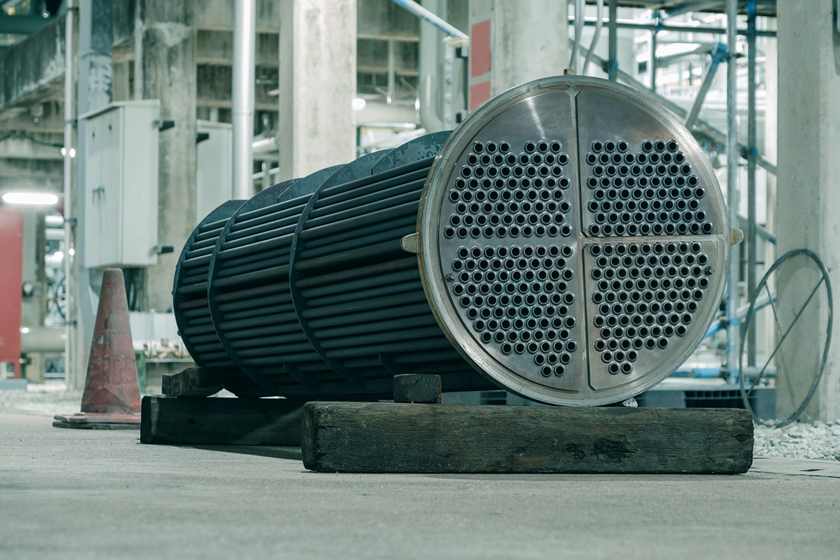
To maintain the efficiency of industrial and commercial heat exchangers, proper inspection is key. Knowing how to test heat exchanger tubes can help you prevent costly downtime, reduce maintenance issues, and keep processes running at optimal performance. Generally, advanced tools and knowledge are used to evaluate tube integrity, identify early-stage damage, and extend the operational...

Stamped Metal Parts Cleaning: Techniques For Consistent Results
Stamped parts leave the press carrying more than geometry. They bring drawing oils, fine particulates, metallic oxides, and shop dust, each a threat to coating, plating, sealing, or assembly. The goal isn’t a showroom shine; it’s a repeatable surface condition that supports downstream performance. Here’s how to clean stamped metal parts with a disciplined mix...

Rocket Component Cleaning: Maintaining Precision And Safety
Rockets operate at the edge of materials science. Minute residues can destabilize propellants, contaminate oxygen service, derail bonding, or seed early fatigue. Building a disciplined approach to cleaning keeps tolerances tight, interfaces stable, and launch risk under control. Here’s how to clean rocket components with an aerospace-grade mindset. Start with Risk, Materials, and Service Every...
How To Clean Medical Device Components To Meet Regulatory Standards
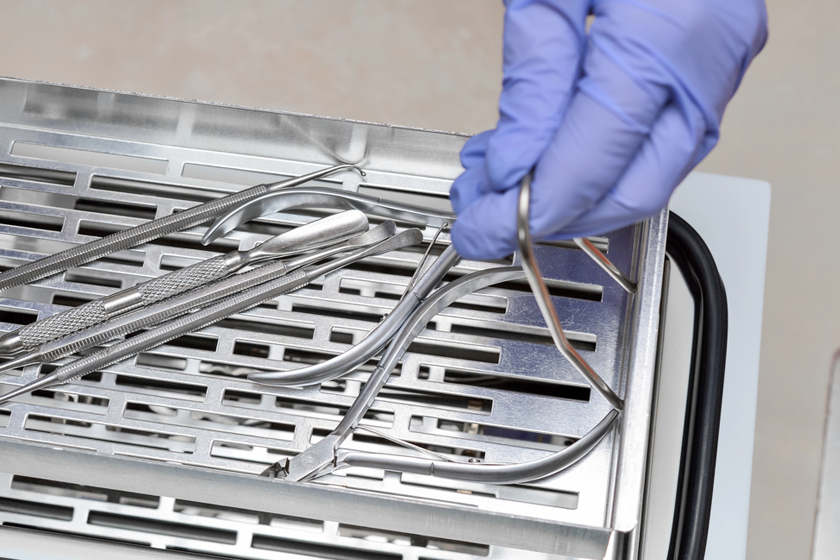
Medical device components demand a cleaning process that delivers repeatable outcomes, documented controls, and traceable records. It’s not just about a spotless surface; it’s about building a validated pathway from incoming parts to finished, biocompatible assemblies. Here’s how to clean medical device components with a methodical approach that supports audits and reliable patient outcomes. Start...
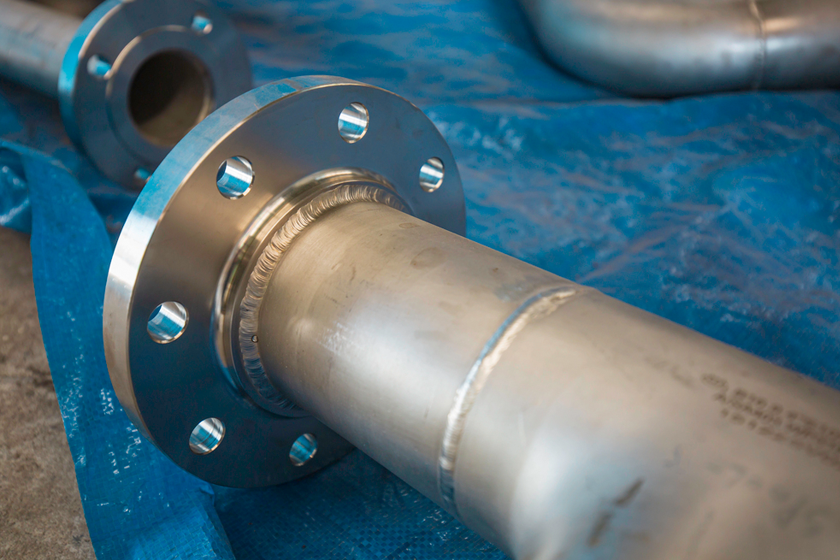
Effective Tubing Cleaning Methods For Industrial Applications
Clean tubing is vital for reliable and efficient industrial operations. Tubes transport fluids, gases, and solvents at the heart of countless processes, yet over time, they accumulate residues that hinder performance. Oils, particulates, oxides, and other contaminants can compromise productivity and even shorten equipment life. Understanding how to clean tubing effectively safeguards system performance while...
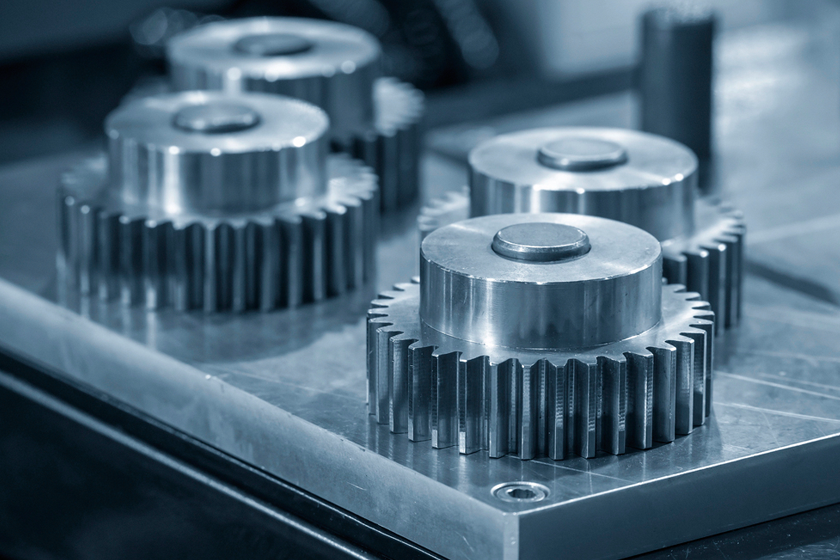
Cleaning Machined Parts: Solutions For Precision Manufacturing
The path from raw stock to finished component doesn’t end at the last toolpath. Cutting fluids, fine chips, oxides, and invisible films cling to machined parts, ready to interfere with coating, bonding, plating, assembly, or metrology. Cleaning machined parts blends chemistry, mechanics, temperature, and process control into a disciplined practice. Get it right and parts...