A fuel passage narrows, a mold releases less cleanly, or a precision component runs hotter than expected. What looks like a thin dark layer often hides a far more stubborn problem of carbon buildup. It’s an issue that has formed through repeated thermal cycles and chemical reactions rather than simple surface contamination. Once carbon takes hold, removing it becomes less about appearance and more about restoring function.
Combustion systems, molds, valves, and machined components commonly accumulate carbon deposits in internal passages and complex geometries that are inaccessible to conventional tools and difficult for solvents to penetrate. This reality raises an important question: Will an ultrasonic cleaner remove carbon buildup?
At Baron Blakeslee, conversations around ultrasonic cleaning often begin at this exact point. The interest is motivated by the need for a process that works without damaging components or extending downtime.
Understanding the role of ultrasonic cleaning in carbon removal requires a closer look at how carbon forms, how it behaves under cavitation, and where ultrasonic systems fit within modern maintenance strategies.
Will an Ultrasonic Cleaner Remove Carbon Buildup?
Ultrasonic cleaning can be highly effective at removing carbon deposits when applied correctly in industrial environments. The process relies on high-frequency sound waves transmitted through a liquid, which creates microscopic cavitation bubbles. As those bubbles collapse, they release energy that disrupts the bond between carbon deposits and the underlying surface.
Carbon behaves differently from oils or grease. It hardens through thermal exposure and oxidation, which makes it resistant to simple rinsing or soaking.
Ultrasonic cavitation addresses that challenge by reaching beneath the surface layer and working into internal features such as channels, threads, and blind holes. This reach makes ultrasonic cleaning valuable in applications where carbon forms inside components rather than sitting on exposed faces.
How Carbon Deposits React During Ultrasonic Cleaning
Carbon residues are rarely removed instantly. Instead, ultrasonic energy fractures and lifts it in stages. Heat softens the deposit, chemistry weakens adhesion, and cavitation supplies the mechanical action that separates residue from the part.
Several factors influence how well this works:
- Frequency Selection: Lower frequencies generate larger cavitation bubbles that release more force, which suits dense or baked-on carbon.
- Temperature Control: Warm solutions reduce surface tension and improve interaction between cavitation and carbon layers.
- Solution Chemistry: Alkaline or specialty formulations help loosen carbon and keep particles suspended after removal.
When those variables align, ultrasonic cleaning removes carbon evenly across complex geometries without relying on abrasion or manual force.
Where Ultrasonic Carbon Removal Delivers the Most Value
Ultrasonic cleaning tends to perform best in environments where carbon buildup affects function rather than appearance. Common examples include:
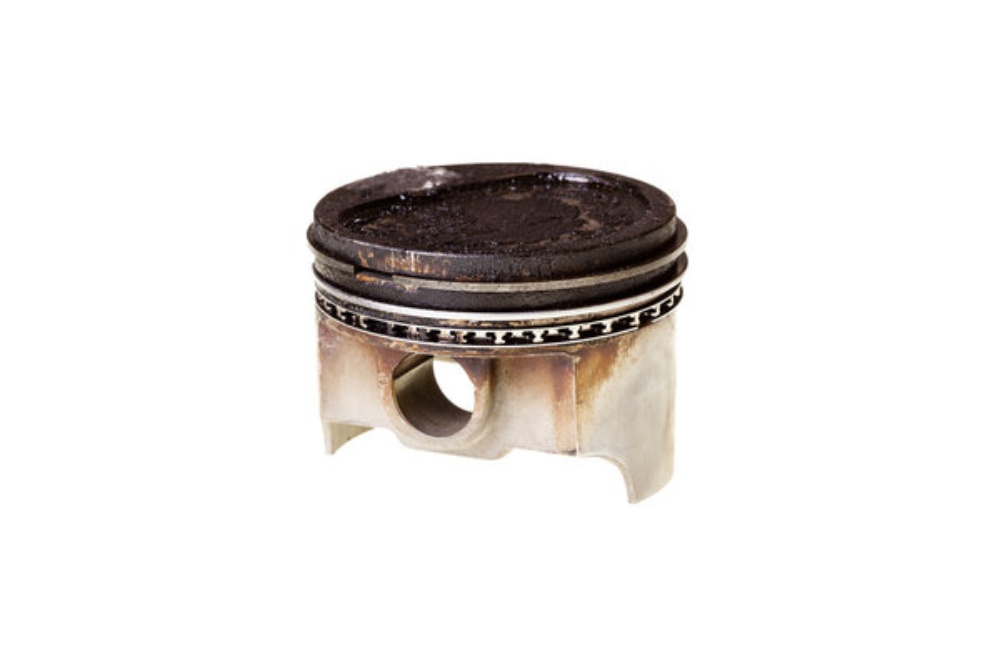
- Engine components such as injectors, pistons, and valve bodies
- Injection molds with carbonized polymer residue
- Turbine and combustion system parts
- Fuel system components with internal passages
- Machined parts exposed to heat-treated oils and combustion byproducts
These applications share a common challenge: carbon hides in places traditional methods cannot reach. Ultrasonic cleaning treats the entire submerged surface at once, reducing variability and labor requirements.
Choosing the Right Ultrasonic Cleaner Solution for Carbon
An ultrasonic cleaner solution for carbon does more than loosen deposits. It keeps the material suspended so it does not settle back onto parts. Alkaline cleaners often work well for steel and iron components with heavy carbon, while mixed-metal assemblies benefit from balanced formulations designed for compatibility.
Solution management plays a major role in long-term performance:
- Filtration prevents carbon particles from redepositing
- Regular solution maintenance supports consistent results
- Proper concentration avoids residue or surface discoloration
When combined with ultrasonic energy, the right solution turns carbon removal into a predictable process rather than a trial-and-error task.
Why Ultrasonic Cleaning Outperforms Traditional Methods
Manual scraping and chemical soaking still appear in many facilities, yet both approaches introduce drawbacks. Scraping risks surface damage and inconsistent results. Soaking consumes time and often relies on aggressive chemicals.
Ultrasonic cleaning offers a different path forward:
- Uniform cleaning across all exposed surfaces
- Access to internal features without disassembly
- Reduced reliance on abrasive techniques
- Shorter cycle times for batch processing
These advantages make ultrasonic systems attractive for high-volume operations where repeatability matters.
Modern industrial ultrasonic cleaners support a wide range of part sizes and contamination levels, which allows facilities to scale cleaning processes without redesigning workflows. Evaluating system features such as tank size, frequency range, and automation options helps align equipment with real-world demands.
A Practical Perspective on Ultrasonic Carbon Removal
Ultrasonic cleaning does not eliminate the need for process control or evaluation. Carbon thickness, material type, and part geometry all influence outcomes. Successful implementation depends on matching equipment capabilities with application requirements rather than relying on generic settings.
For teams comparing equipment options, reviewing available configurations and performance ranges provides helpful context. Our best ultrasonic cleaners showcase systems for demanding environments where consistency and durability matter.
Turning Carbon Removal Into a Manageable Process
Carbon buildup remains a reality in industries driven by heat and performance, yet removal no longer has to be disruptive or damaging. Ultrasonic cleaning offers a balanced approach that combines reach, efficiency, and material protection when applied with the right chemistry and operating parameters.
At Baron Blakeslee, decades of experience designing industrial cleaning equipment guide how we approach ultrasonic applications today. Contact our team to explore what modern industrial cleaning can accomplish.