In electronics manufacturing, the smallest variables often carry the greatest consequences. A faint layer of dust trapped in a pallet groove, or a static charge picked up during transport, can quietly undermine surface quality long before a defect is visible.
Pallets and carriers move frequently among molding, assembly, inspection, and packaging. They’re among the most overlooked contributors to contamination risk within the production flow.
Electronics manufacturers have long understood that components and assemblies require controlled carrier pallet cleaning systems. At Baron Blakeslee, we work closely with manufacturers who discover that product quality improves only after pallet handling and cleanliness are addressed as part of the overall process, not as an afterthought.
Carrier Pallet Cleaning System Challenges in Electronics Production
A carrier pallet cleaning system must operate under conditions that differ significantly from those in other industrial environments.
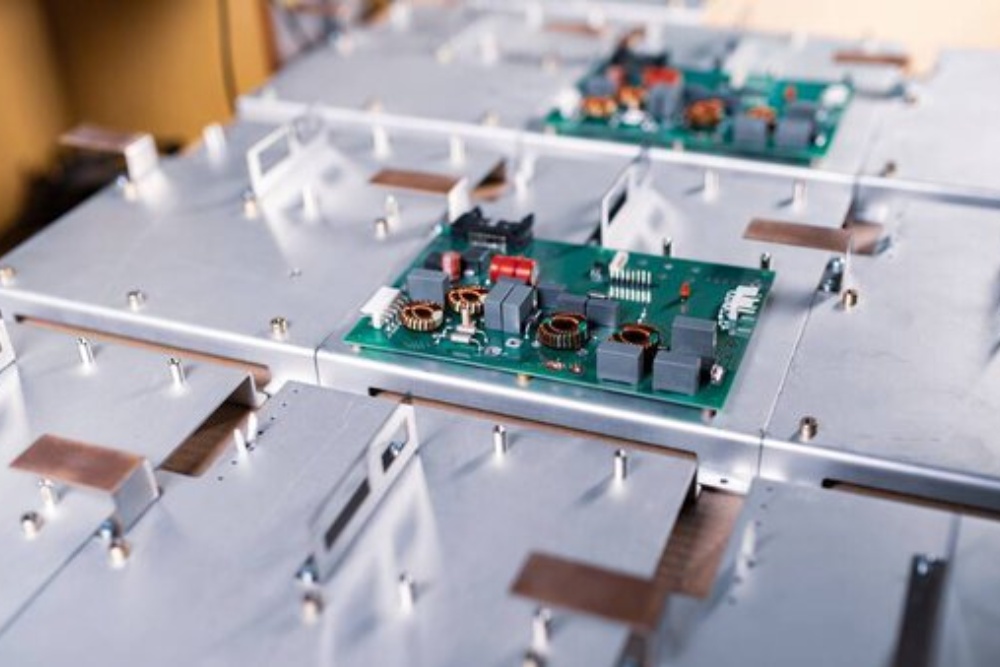
Plastic carriers used in electronics and precision plastics frequently feature complex geometries designed to protect parts during handling. Grooves, notches, ribs, and locating pockets create ideal hiding places for contaminants, dust and fine debris that standard rinsing methods struggle to reach.
Static charge compounds the issue. Pallets pick up an electrostatic charge as they move through production lines, conveyors, and transport stages, causing dust particles to adhere stubbornly to surfaces. Once attached, that dust often transfers directly to glossy molded parts or sensitive housings during injection molding or assembly.
Manufacturers working in plastics, cosmetics-style packaging, or electronics-adjacent applications frequently report similar outcomes:
- Cosmetic defects that appear late in the process
- Increased reject rates are tied to surface contamination
- Inconsistent cleaning results across shifts or pallet designs
Addressing these issues requires equipment that considers pallet design, contamination type, and process flow together rather than treating pallet cleaning as a generic wash task.
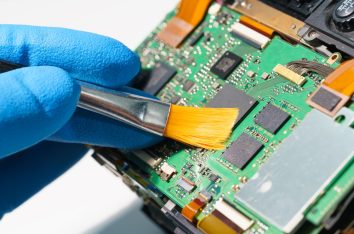
Many electronics manufacturers also pair pallet systems with dedicated electronics cleaning equipment to support component-safe processes elsewhere in the facility. This helps create a cohesive approach to cleanliness across operations.
Why Pallet Cleanliness Directly Affects Electronics Quality
Pallet cleanliness influences far more than appearance. In electronics manufacturing, dust carried into molding or assembly areas can embed into surfaces that must remain visually flawless for downstream processing. Even minor contamination can compromise coatings, bonding steps, or final inspection results.
Static discharge introduces another layer of concern where electronic components are present. Charged pallets increase the risk of dust attraction and uncontrolled discharge events, both of which undermine production stability. Clean, static-neutralized pallets help reduce those variables and support predictable outcomes across high-volume runs.
Industries such as cosmetics and pharmaceuticals apply similar standards, since surface presentation and hygiene play a central role in perceived quality. Electronics manufacturers face parallel pressures, especially as product designs move toward higher ionic cleanliness and tighter tolerances.
How Modern Pallet Cleaning Systems Fit Into Production Flow
Pallet cleaning works best when it supports the factory's routine rather than disrupting it. Manual cleaning methods may appear cost-effective at first, yet they often introduce inconsistency, labor strain, and scheduling challenges as volumes increase. Pressure washing improves coverage, though it still relies heavily on operator technique and available floor space.
Automated pallet washing systems address these limitations through repeatable processes that match production demand. Typical systems move pallets through staged zones that may include:
- A pre-clean phase to remove loose debris
- A primary wash zone using controlled pressure and temperature
- A rinse stage that removes residual cleaning agents
- A drying section that prepares pallets for immediate reuse
This approach supports steady throughput while delivering uniform results across pallet types and shift changes. Drying also plays a key role, as moisture left on pallets can introduce new contamination risks when they return to the line.
Designing Systems Around Real Pallet Geometry
Not all pallets behave the same inside a washer. Open-deck designs allow easier access for water and airflow, while closed or sealed pallets require more deliberate process design to reach internal surfaces. Some manufacturers select fully sealed pallet designs specifically to reduce contamination traps, particularly in regulated or appearance-driven applications.
Effective system design starts with understanding how pallets are built and used. Equipment tailored to the actual pallet geometry performs more reliably than systems designed around assumptions. This principle guides how pallet washing, drying, and static management functions come together inside an integrated pallet cleaning system.
The Role of Durability and Lifecycle Value
Plastic pallets and carriers often remain in service for many years, which means cleaning equipment must withstand continuous operation without degrading performance. Robust construction, service accessibility, and adaptable controls influence how well a system supports long-term production goals.
From a broader perspective, pallet cleanliness also reflects a facility's approach to quality. Clean pallets improve handling safety, stacking consistency, and automation reliability across conveyors and robotic interfaces. These benefits extend beyond cleaning itself and contribute to smoother daily operations.
Choosing the Right Pallet Cleaning Companies
Evaluating pallet cleaning companies involves more than comparing equipment dimensions or advertised capacities. System performance depends on how well the solution integrates with the facility’s workflow and contamination profile. Manufacturers benefit most from partners who understand how pallet handling intersects with molding, assembly, and packaging operations.
At Baron Blakeslee, system development begins with application evaluation rather than product selection. Our engineering teams design equipment that aligns with pallet usage, contamination sources, and production targets. These are supported by in-house fabrication services that allow both standard and custom solutions to take shape.
Bringing Pallet Cleaning Into Focus
Pallets rarely draw attention until quality issues surface, yet they play a constant role in product handling and presentation. Treating pallet cleanliness as part of the production system rather than a maintenance task enables improved yield, reduced rework, and smoother operations.
At Baron Blakeslee, we bring decades of experience designing industrial cleaning equipment that supports demanding manufacturing environments.
Now is the time to explore purpose-built solutions. Contact us to start a conversation about pallet cleaning systems to support electronics manufacturing from the ground up.