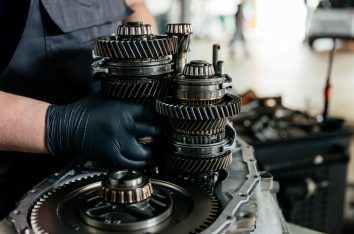
Machining oils, metallic residues, greases, and particulate buildup accumulate on parts at nearly every stage of fabrication. When those contaminants carry over to the next stage unchecked, the consequences include coating failures, weld defects, assembly issues, and costly rework.
A well-matched metal cleaning machine addresses this problem at the source, keeping production quality consistent and throughput moving. At Baron Blakeslee, we have been engineering that kind of reliability into our equipment since 1920.
What a Metal Cleaning Machine Does in a Production Environment
The job of a cleaning machine goes well beyond surface-level degreasing. Industrial cleaning equipment helps remove a wide range of contaminants, including nonpolar soils like machining oils and waxes, as well as polar residues such as oxidation, salts, and emulsion remnants. This process prepares parts for coating, assembly, inspection, or sterilization.
Contamination left on a part is not a minor inconvenience. It directly affects how coatings bond, how welds hold, and how precisely components fit together during assembly. A reliable cleaning process eliminates that variable, giving production teams consistent, verifiable results at every run.
The Efficiency Gains Are Measurable
One of the most immediate benefits manufacturers notice after integrating the right cleaning equipment is a reduction in rework and downstream rejection. When parts arrive at the finishing or assembly stage already clean and properly prepared, the number of defects drops. Less rework means less labor, less material waste, and fewer production delays.
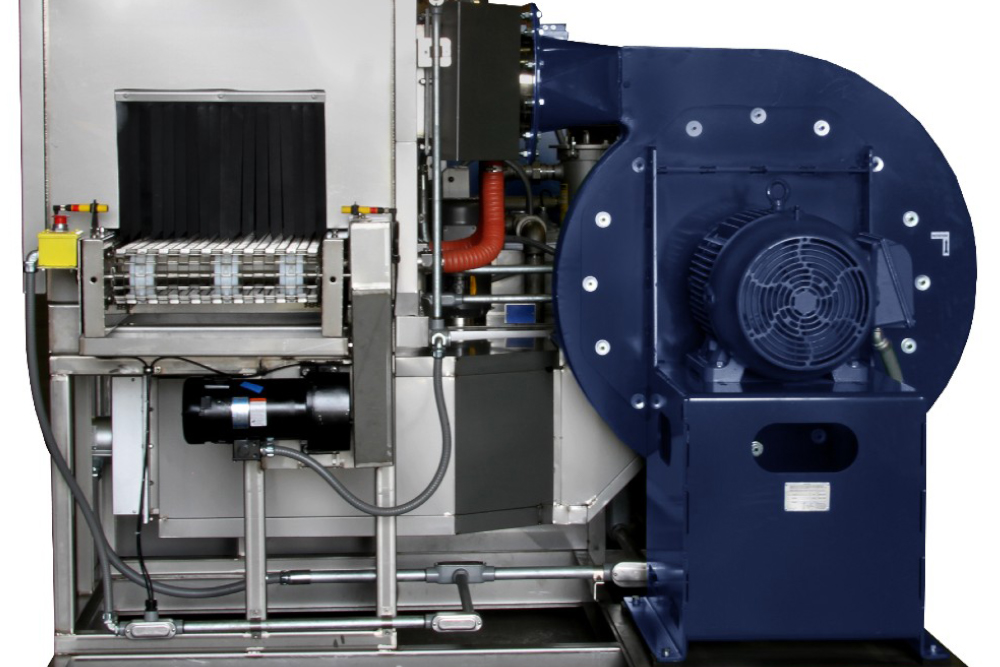
Automated cleaning systems take this further. Parts move through the cleaning cycle consistently, without the variation that comes with manual methods. Cycle times are predictable, process parameters are controllable, and output quality is repeatable. Over time, this kind of process stability has a compounding effect on overall production efficiency.
Energy consumption is another area where equipment choice matters. In particular, vapor degreasing systems require significantly less energy than aqueous alternatives. Aqueous cleaning systems generally require higher temperatures and larger multi-stage setups to achieve similar cleanliness levels.
Metal Cleaning Electrolysis and Other Emerging Approaches
Metal-cleaning electrolysis is gaining attention in certain industrial contexts, particularly where surface preparation for electroplating or corrosion protection is required. The process uses an electric current passing through an electrolyte solution to dislodge contaminants from a metal surface. It’s useful for parts with complex geometries where mechanical action alone may not reach.
As cleaning chemistry and process technology continue to develop, we stay closely engaged with emerging methods. Our equipment portfolio already spans modified alcohol, hydrocarbon, halogen-free, and PFAS-free cleaning processes.
Choosing the Right Equipment Changes More Than Just Cleanliness
The downstream impact of a well-chosen cleaning system extends beyond most manufacturers' initial expectations. Fewer defects, reduced chemical waste, lower energy consumption, and more predictable maintenance schedules all contribute to a measurably more efficient operation.
We back every system with application evaluation, testing, installation, and ongoing technical service. Getting the equipment right from the start is far less costly than correcting a poor fit later.
Is your current cleaning process creating bottlenecks, inconsistencies, or compliance concerns? We are ready to help you find a better path forward. Contact our team to discuss your application today.