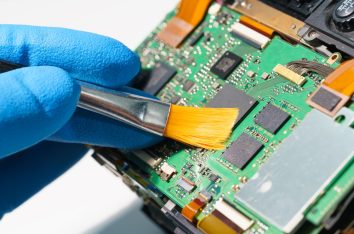
Cleaning circuit boards is an important part of maintaining the performance and longevity of electronic devices. For manufacturers, technicians, and engineers, achieving the highest level of efficiency in this process is vital.
Many professionals wonder how to optimize circuit board cleaning equipment so as to enhance the speed, precision, and effectiveness of their cleaning procedures. In this article, we will explore the key factors that contribute to optimizing your circuit board cleaning process and how understanding and leveraging these factors can lead to significant improvements in performance and cost-effectiveness.
Understanding Circuit Board Cleaning Equipment
Circuit board cleaning equipment includes spray washers, vapor degreasers, and more. These machines are designed to remove contaminants such as flux residues, oils, and dirt from circuit boards after they have been assembled. Each type of circuit board cleaning equipment has its specific use case, and selecting the right equipment for the job is the first step in optimization.
At Baron Blakeslee, we provide specialized electronics cleaning equipment designed for precision and high efficiency in cleaning delicate components like circuit boards. Our products make it possible to clean circuit boards thoroughly without risk of damage, allowing for longer-lasting, higher-performing electronic devices.
The Importance of Cleanliness for Circuit Board Longevity
Maintaining a clean circuit board affects immediate performance as well as the longevity of the board and its components. Residues such as solder paste, flux, dust, and oils can lead to corrosion, overheating, or electrical shorts over time, potentially shortening the lifespan of the circuit board.
By optimizing your cleaning equipment and processes, you can effectively remove these contaminants, ensuring the board’s reliability for a longer period. Regular cleaning reduces the need for repairs, prevents component failure, and ultimately enhances the overall durability of the electronics. Investing in high-quality circuit board cleaning equipment and implementing best practices helps avoid costly replacements and ensures your boards stay in optimal condition for extended use.
Key Factors Affecting Cleaning Efficiency
There are several key factors that directly impact the efficiency of circuit board cleaning equipment. Optimizing these factors will help you achieve the best possible cleaning results without wasting time, energy, or resources.
Cleaning Solution Quality
The quality of the cleaning solution plays a crucial role in optimizing the cleaning process. Poor-quality solutions may leave residues or fail to effectively remove all contaminants.
It’s important to choose the right cleaning solution that is compatible with the material of the circuit board and the contaminants you need to remove. For example, a solution designed to remove flux residue might not be effective at removing grease or oil.
We offer tailored cleaning solutions that are engineered to work with our equipment to achieve optimal results. Our solutions are powerful enough to handle tough contaminants while being safe for sensitive components.
Temperature Control
Temperature is another important factor in the cleaning process. Most cleaning solutions are more effective at higher temperatures, which helps to break down oils, solder paste, flux, and other residues.
However, too high a temperature can damage the circuit board or the delicate components attached to it. Optimizing the temperature control in your cleaning equipment ensures that the solution works effectively while preventing any risk of damage.
Maintaining an optimal temperature improves cleaning efficiency and reduces the amount of cleaning time needed. Automated temperature control systems help you maintain consistent temperatures to achieve the best results every time.
Cleaning Time
Cleaning time is a balancing act. Too little time may result in insufficient cleaning, while too much time can waste resources and cause unnecessary wear on the equipment and circuit boards.
Optimizing the cleaning time is essential for ensuring the cleaning process is both effective and efficient. Automated systems can help monitor and adjust the cleaning cycle time, improving consistency and preventing over-cleaning.
Best Practices for Optimizing Circuit Board Cleaning Equipment
Once you understand the key factors that influence cleaning efficiency, implementing best practices will help ensure your circuit board cleaning equipment is used to its fullest potential.
Regular Maintenance and Calibration
Maintaining and calibrating your cleaning equipment regularly is essential for ensuring that it continues to operate at peak efficiency. This includes cleaning filters, checking for wear and tear, and ensuring that all components are functioning properly. A well-maintained machine will clean more effectively, with fewer chances of contamination or equipment failure.
Proper Loading Techniques
How you load your circuit boards into the cleaning equipment can have a significant impact on the results. Overloading or improper placement can lead to uneven cleaning or areas that are missed altogether. Optimizing the loading process ensures that every part of the board is exposed to the cleaning solution, leading to a more thorough and effective clean.
By following manufacturer recommendations for loading and using accessories like baskets or trays to hold boards in place, you can avoid uneven cleaning and reduce the time spent on manual adjustments.
Choosing the Right Cleaning Agent
Selecting the right cleaning agent for your specific needs is another key part of optimizing the cleaning process. Using the wrong cleaning agent can lead to ineffective cleaning or, worse, damage to the components. Use a cleaning agent that is tailored to the contaminants on your circuit boards and is compatible with your cleaning equipment.
Common Challenges and Solutions
Even with optimized equipment, challenges can still arise during the cleaning process. Some of the most common issues include contamination buildup, inadequate drying, and ineffective cleaning cycles. Let’s look at these challenges and how to address them.
Contamination Buildup
Contamination can occur when cleaning agents are not changed regularly or when the wrong cleaning method is used. To prevent this, it’s important to monitor the cleanliness of the chemistry and replace it when necessary. Using an appropriate filtration system can also help reduce contamination buildup and prolong the life of the cleaning agent.
Ineffective Drying
After cleaning, always dry the circuit boards properly to prevent moisture from causing damage or corrosion. Improper drying can lead to issues such as water spots or residual moisture, which can affect the performance of the circuit board or impede the application of conformal coatings.
Optimizing your drying process is just as important as optimizing the cleaning itself. Using heated air dryers or controlled environments can help ensure that your boards are thoroughly dried before use.
Inconsistent Cleaning Cycles
Sometimes, the cleaning process may not be consistent, leading to uneven cleaning results. To avoid this, invest in automated systems that can monitor and adjust cleaning cycles based on real-time data. This helps ensure that each circuit board is cleaned effectively every time.
Advanced Technologies for Optimizing Cleaning Equipment
Advances in technology have made it easier to optimize circuit board cleaning equipment. The introduction of automation, real-time monitoring, and data analytics has transformed the way circuit boards are cleaned. Automation helps streamline the cleaning process, reducing human error and ensuring consistency in every cycle.
We embrace these advancements in technology to enhance the performance of our equipment. By integrating smart sensors and process controls, our equipment is capable of adjusting parameters such as temperature, pressure, and cleaning time in real-time to ensure maximum cleaning efficiency.
Maximizing Cleaning Efficiency for Long-Term Results
Optimizing your circuit board cleaning equipment is essential for improving both the quality and cost-effectiveness of your cleaning processes. By focusing on factors such as cleaning solution quality, temperature control, and maintenance, you can ensure that your equipment operates at peak performance, reducing waste, downtime, and maintenance costs.
With proper techniques, regular maintenance, and advanced technologies, you can achieve optimal cleaning results that extend the life of your circuit boards and improve their functionality. Our cleaning equipment and solutions have what it takes to meet the demands of modern electronics manufacturing, keeping your circuit boards in top shape.
Contact us today to learn more about how our solutions can improve your circuit board cleaning efficiency.