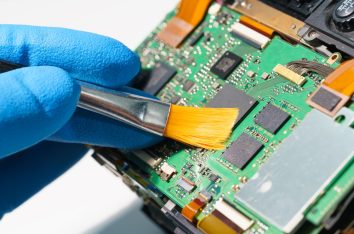
Circuit boards are the heart of nearly every modern electronic device. Keeping it clean supports the longevity and optimal performance of electronic devices. But can you clean a circuit board with water?
While it might seem like a simple solution, there are several factors to consider before using water to clean delicate electronic components. In this article, we’ll explore the key considerations when cleaning circuit boards with water, including the risks, benefits, and best practices for achieving the best results.
Understanding Circuit Board Cleaning
Circuit board cleaning is part of maintenance for electronic devices, especially after the assembly process. Cleaning removes flux residues, dirt, oils, and other contaminants that can affect the functionality and reliability of the components.
Can you clean a circuit board with water? The straightforward answer is yes, but it’s not always recommended. Water can effectively remove dirt and non-oily residues, but the risks associated with moisture make it a more complex choice.
Understanding the pros and cons of using water, as well as the correct techniques, will help you decide if it’s the right choice for your cleaning needs.
Key Considerations When Cleaning a Circuit Board with Water
Here are the considerations to keep in mind when cleaning a circuit board.
The Impact of Water on Circuit Board Materials
Water may seem harmless, but its interaction with circuit board materials can pose risks. Circuit boards are often made from metals, such as copper, which are highly susceptible to corrosion when exposed to moisture.
While the board itself might not corrode instantly, water left on the surface or within crevices can cause long-term damage. This is particularly true if the board is not dried thoroughly after cleaning.
Additionally, water can weaken solder joints and damage sensitive components like capacitors, resistors, and microchips if not cleaned properly. If the circuit board includes any materials or coatings that react poorly with moisture, water cleaning can compromise their structural integrity, leading to functionality issues down the line.
Contaminants and Cleaning Agents
When cleaning with water, the type of contaminants on the circuit board plays a significant role in determining whether water is effective. For example, water is typically more effective at removing organic residues like dirt or dust.
However, it may not perform as well in removing oil-based residues, flux, or other chemicals used in the manufacturing process. In these cases, additional cleaning agents may be necessary to break down and remove tougher contaminants.
If you do choose to clean a circuit board with water, it’s important to use deionized or distilled water rather than tap water. Tap water contains minerals that can leave behind deposits or cause damage to the circuit board. Deionized and distilled water is free from these impurities, reducing the chances of leaving residues that could affect the performance of the board.
Moisture Risks and Proper Drying
The most significant risk of cleaning with water is the potential for moisture to remain on the circuit board, especially in tight spaces like solder joints or beneath components. Leftover moisture can lead to corrosion, short circuits, and even the failure of sensitive components. Proper drying techniques minimize these risks.
Using compressed air is one of the most effective ways to dry a circuit board thoroughly after washing it with water. The key is to ensure the board is completely free of moisture before reassembly or powering it back on. It’s also recommended to allow the board to air dry for a period of time in a controlled environment to ensure no hidden moisture remains trapped.
Chemical Reactions with Water-Based Solutions
When using water to clean circuit boards, consider any potential chemical reactions that might occur between the water and the cleaning agents or residues on the board. For example, some flux residues or adhesives used in the assembly process may react with water, especially if not fully rinsed or neutralized.
This could lead to the formation of unwanted compounds that may impair the board’s functionality or lead to corrosion over time. If your circuit board is exposed to chemical residues that could interact with water, it’s advisable to use a cleaning solution specifically designed to handle those materials. This will avoid any unwanted chemical reactions.
Electrical Sensitivity During Cleaning
Another consideration when cleaning circuit boards with water is their electrical sensitivity. Even if the circuit board is powered off, moisture can still penetrate sensitive components, leading to long-term electrical issues.
For example, water that seeps into components like capacitors, resistors, or connectors can create a conductive path, potentially affecting the overall electrical performance of the circuit board. This is especially problematic for high-precision components used in military or aerospace applications. To prevent any electrical issues, make sure that water does not come into contact with electrical contacts or delicate parts of the board, even if the board is powered down during cleaning.
Cleaning Process and Precautions
When cleaning with water, avoid using excessive amounts or applying high-pressure water to the board. High-pressure water can damage components, dislodge parts, or force water into areas that are difficult to dry. Instead, a gentle rinse or using a soft cloth to wipe down the board with distilled water is the safest method.
If you must use water, rinse the board quickly and avoid submerging it entirely. Always apply the water in a controlled manner, and use tools such as soft brushes to gently scrub away contaminants. Once the cleaning is complete, dry the board thoroughly to avoid any potential damage from residual moisture.
When to Avoid Cleaning a Circuit Board with Water
There are certain situations where cleaning a circuit board with water is not recommended.
High Sensitivity Components
If your circuit board contains very sensitive components such as microprocessors, memory chips, or high-density connectors, using water could risk damaging these intricate parts. Moisture can seep into these sensitive areas, leading to shorts, corrosion, or irreparable damage.
Sealed or Non-Accessible Parts
Some circuit boards feature sealed parts or components that are not easily accessible for cleaning. Using water on these types of boards could cause water to get trapped in these hard-to-reach areas, leading to long-term issues that may not be immediately visible. In such cases, opting for a cleaning solution that evaporates quickly or using dry cleaning methods would be a safer option.
What Can Be Used to Clean a Circuit Board Besides Water?
While water may not always be the best option, several alternatives are available for cleaning circuit boards safely and effectively. One of the most common alternatives is isopropyl alcohol, which is a powerful solvent that can remove most contaminants, including oils, dust, and flux residues. It evaporates quickly, which reduces the risk of moisture-related damage.
@ SS: ULTRASONICS ARE NEVER USED IN ELECTRONICS CLEANING! NEVER!
Another option is specialized electronic cleaning solutions, which are designed specifically for sensitive parts like circuit boards. These cleaners often use water as a base but are formulated to avoid the risks associated with using plain water.
Should You Clean a Circuit Board with Water?
While cleaning a circuit board with water may seem like a simple and accessible option, it’s not without its risks. Water can cause moisture buildup, which can lead to corrosion, shorts, and long-term damage if not handled properly. However, by using distilled water, following proper cleaning techniques, and ensuring thorough drying, it is possible to safely clean circuit boards with water in some cases.
If you're unsure or need more reliable cleaning solutions, alternatives like isopropyl alcohol or ultrasonic cleaning can offer greater safety and effectiveness. Baron Blakeslee offers a range of high-quality electronics cleaning equipment that addresses the specific needs of circuit board cleaning, ensuring efficiency while minimizing risks.
Contact us today to explore the best cleaning solutions for your electronics.