Quick Summary: Power plants rely on heat exchangers throughout the steam cycle, from condensing turbine exhaust and preheating boiler feedwater to cooling lubrication oil, generator hydrogen, and emissions control equipment. Compact cylindrical-plate units can handle cooling water applications while promoting turbulence that helps limit scale buildup. Combined cycle plants also use heat recovery steam generators to capture exhaust heat and produce additional electricity. Effective thermal management protects turbines and generators, accommodates auxiliary steam and district heating requirements, and plays a direct role in how efficiently a facility converts fuel into usable power. Selecting equipment suited to the plant’s operating temperatures, water chemistry, flow conditions, and available space helps maintain reliable operation and reduce unplanned downtime.
Generating electricity, whether from coal, natural gas, nuclear fuel, or renewable sources, comes down to managing heat, and heat exchangers for power plants are the equipment that makes this possible. A typical plant moves enormous volumes of steam, cooling water, and lubricating oil through cycles that must stay within precise temperature ranges to protect turbines, generators, and boilers.
Baron Blakeslee supplies Spirec heat exchangers built for this demanding environment, and this article looks at where these units fit into a power generation facility.
Condenser Systems in the Steam Cycle
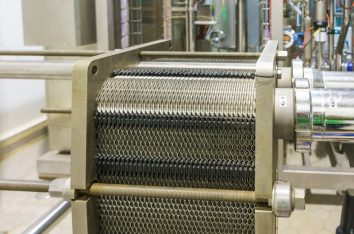
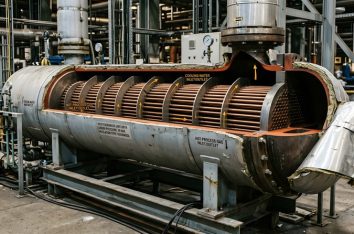
After steam passes through a turbine, it must condense back into water before returning to the boiler. Condensers built with compact cylindrical-plate technology handle this phase change while turbulence across the plates promotes strong heat transfer. That design is particularly useful in cooling water circuits where mineral deposits and scale can interfere with operation.
Efficient condensation also preserves the low-pressure conditions needed on the turbine’s exhaust side. When the condenser removes heat consistently, the steam cycle can respond more reliably as the plant’s electrical load changes.
The condenser also plays a role in recovering water for reuse. Removing residual heat from the condensate helps preserve the steam cycle’s water balance and reduces the thermal burden placed on equipment farther downstream.
Feedwater Heating
Increasing the temperature of boiler feedwater before it enters the steam generator improves the plant’s overall thermal efficiency. Feedwater heaters capture energy from extraction steam and transfer that heat to incoming water, reducing the amount of fuel required to bring the water to operating steam conditions.
Effective feedwater heating narrows the temperature difference between incoming water and the boiler’s operating conditions. The recovered thermal energy can reduce fuel consumption while helping the steam generation process maintain stable operating parameters.
Heat recovery through feedwater heaters can also decrease the boiler’s overall workload. Making effective use of available extraction steam improves plant efficiency without requiring additional fuel to produce the same quantity of steam.
Lubrication Oil Cooling for Turbines
Bearings inside turbines and generators generate substantial frictional heat during operation. An oil cooler removes that excess energy and keeps the lubricant within its designated temperature range, protecting rotating machinery that can represent a major portion of a facility’s capital investment.
The condition of the lubricant has a direct bearing on bearing life and rotating equipment reliability. Keeping oil temperatures under control slows thermal deterioration, preserves lubricant properties, and can lengthen the period between servicing requirements.
Cooling Water Systems
Plants draw cooling water from rivers, lakes, or cooling towers to remove waste heat from the steam cycle. Closed-loop exchangers separate this raw water from the clean, treated water circulating through sensitive equipment, preventing debris and mineral buildup from reaching critical components.
Separating cooling circuits also gives operators greater control over water chemistry throughout the plant. This arrangement helps protect heat-sensitive equipment while reducing exposure to contaminants that can interfere with heat transfer.
Hydrogen Cooling for Generators
Large generators use hydrogen gas as a cooling medium because of its high thermal conductivity, and that hydrogen itself needs continuous cooling to remain effective. Compact exchangers positioned close to the generator housing manage this heat load without requiring excessive floor space.
Maintaining controlled hydrogen temperatures helps generators dissipate heat effectively during continuous operation. The exchanger must also accommodate the generator’s heat load without creating unnecessary restrictions within the cooling circuit.
Auxiliary Steam and District Heating
Some facilities extract a portion of their steam output to supply auxiliary plant systems or nearby district heating networks. Heat exchangers isolate this extracted steam from the return water loop, allowing the plant to serve external heating demand without compromising the primary steam cycle.
This arrangement allows extracted steam to serve useful heating purposes while keeping the plant’s primary water circuits separated. Proper heat transfer also helps maintain consistent temperatures throughout the external heating network.
Emissions Control Equipment Cooling
Flue gas desulfurization and selective catalytic reduction systems both generate significant heat as they treat exhaust gases. Exchangers positioned within these systems cool the treated gas stream to protect downstream ductwork and fans from thermal stress.
Reliable cooling helps emissions control equipment operate within its specified temperature range. Heat exchanger performance can also influence the stability of downstream processes by preventing excessive thermal loads from reaching connected components.
Combined Cycle Heat Recovery Steam Generators
In combined cycle plants, exhaust heat from a gas turbine generates steam for a secondary steam turbine, effectively squeezing more electricity out of the same fuel input. The heat exchangers within this recovery system must handle high exhaust temperatures while maintaining consistent steam output.
Efficient heat recovery is central to the performance advantage of combined cycle generation. Exchanger surfaces must transfer substantial amounts of thermal energy while accommodating variations in gas turbine output and steam demand.
Boiler Blowdown Heat Recovery
Boilers periodically release blowdown water to remove accumulated solids from the system, and that discharged water still carries significant heat. A blowdown heat exchanger transfers this energy to incoming makeup water, recovering value that would otherwise be lost to the drain and reducing the fuel needed to bring makeup water back up to temperature.
Recovering blowdown heat can also reduce the thermal shock associated with bringing cooler makeup water into the boiler system. This creates a more efficient heat recovery path while making better use of energy already generated within the plant.
Sample Cooling for Water Chemistry Analysis
Power plants continuously sample boiler and cooling water to monitor chemistry and catch problems early. Because these samples need to reach a safe, stable temperature before analysis, small sample coolers built on the same compact plate principle protect both instrumentation and plant personnel drawing the samples.
Accurate water chemistry readings depend on samples reaching the analyzer at appropriate temperatures. Compact sample coolers make this temperature reduction practical while fitting easily into monitoring and laboratory systems with limited installation space.
Closed Cooling Water Loops for Auxiliary Equipment
Beyond the main steam cycle, plants run auxiliary systems such as air compressors, generator exciters, and control equipment that need their own dedicated cooling loop separate from raw water sources. Plate exchangers isolate these closed loops from untreated water, protecting sensitive components from the debris and mineral content found in open water systems.
A dedicated closed loop can maintain cleaner and more predictable cooling conditions for auxiliary equipment. Heat exchangers also allow operators to manage heat removal without exposing sensitive circuits directly to the plant’s raw cooling water.
Supporting Plant Uptime During Peak Demand
Utilities face the highest strain on their equipment during periods of peak electricity demand, when every system, including heat exchangers, runs closer to its rated capacity for extended periods. Units built with margin for these peak conditions help plants avoid unplanned derates or shutdowns exactly when reliable output matters most.
Heat exchangers designed around actual peak loads can maintain thermal performance when operating conditions become demanding. Adequate capacity helps reduce the risk of temperature-related limitations affecting generation during periods of elevated electricity demand.
District Heating Heat Recovery
Power plants that supply district heating networks can use heat exchangers to transfer recovered thermal energy from steam or hot water into the distribution system. This allows otherwise unused heat to serve nearby buildings while keeping the district heating circuit hydraulically separate from the plant’s internal systems.
The exchanger must handle the required temperature and flow conditions while maintaining reliable heat transfer during seasonal changes in heating demand. Compact designs can also help when installation space is limited within existing plant infrastructure.
Discuss Your Power Plant Heat Exchanger Requirements
Power plants operate around the clock, so any heat exchanger installed on site needs to deliver consistent performance with minimal downtime for maintenance. Baron Blakeslee’s welded, single-pass Spirec heat exchangers are designed with this reliability in mind, and our cross section views page shows how the internal geometry supports low pressure drop and enhanced turbulence.
Facilities managing corrosive water chemistry or space-constrained mechanical rooms can also review our installation information for guidance on sizing and placement. For plants that also handle equipment cleaning needs across their energy operations, Baron Blakeslee’s broader product line covers both thermal and cleaning applications under one roof.
Contact our applications team to talk through your plant’s heat transfer requirements.
Frequently Asked Questions
Why are heat exchangers critical to power plant efficiency?
They recover and redirect heat that would otherwise be wasted, such as extraction steam or exhaust gas heat, which lowers the overall fuel needed to generate the same amount of electricity.
What happens if a turbine oil cooler fails?
Bearing temperatures can rise quickly without adequate cooling, which risks oil breakdown, accelerated wear, and potential unplanned outages if the condition isn’t caught early.
Do combined cycle plants need different heat exchangers than conventional plants?
Combined cycle facilities use heat recovery steam generators to capture exhaust heat from the gas turbine, which requires exchangers rated for higher inlet temperatures than a standalone steam plant sees.
How does cylindrical-plate technology help with cooling water fouling?
The dimpled plate surface promotes turbulence that helps keep the interior self-cleaning, reducing the scale and sediment buildup that plagues traditional tube-and-shell designs in raw water service.
Can heat exchangers support district heating alongside power generation?
Yes, extraction steam exchangers can isolate plant steam from a separate hot water loop, letting a facility supply nearby heating demand without disrupting its primary generation cycle.