
Quick Summary: A spiral heat exchanger uses a single, continuous flow channel that can handle viscous and fouling-prone fluids more effectively than many multi-channel designs. Its coiled geometry also fits a considerable amount of heat transfer surface into a compact footprint. Counter-current flow promotes efficient thermal exchange and can achieve closer approach temperatures, while the...
Category: Heat Exchangers
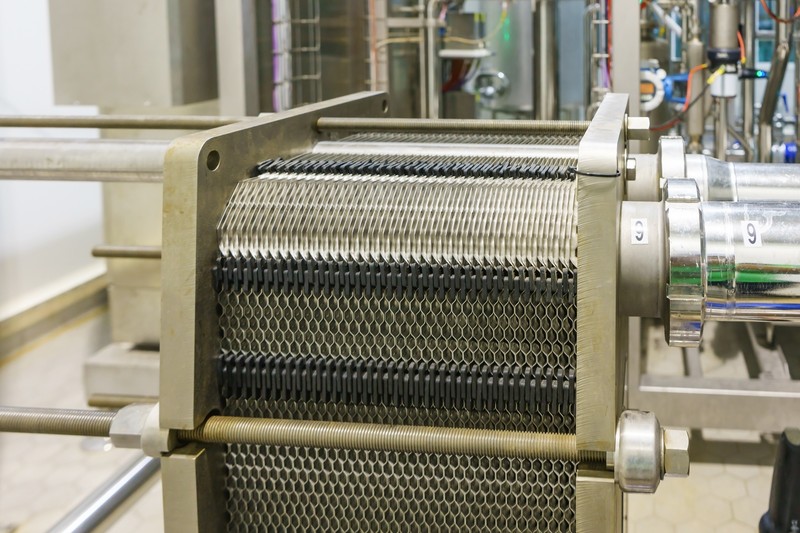
What You Need To Know About Brazed Plate Heat Exchangers
Quick Summary: A brazed plate heat exchanger joins a stack of corrugated metal plates with a filler material, removing the need for gaskets while retaining a compact, lightweight form that works well in refrigeration and light commercial hot water applications. Its permanent construction eliminates gasket-related failure points, but it also means the plates cannot be...
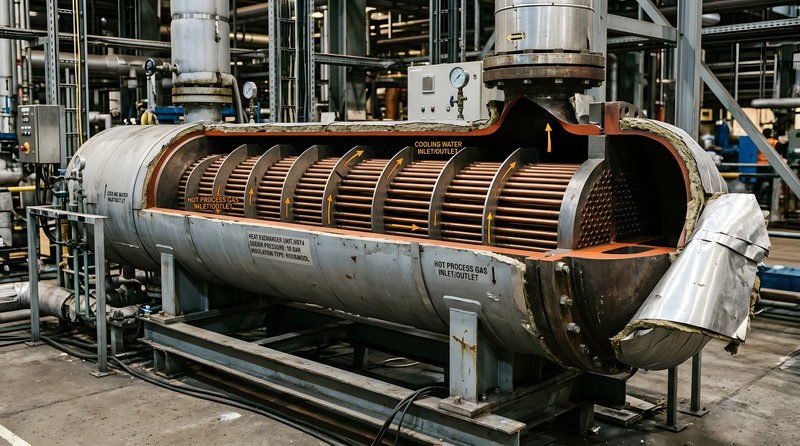
What Is Fouling Factor In Heat Exchangers And 11 Ways To Prevent It
Quick Summary: Fouling factor refers to the additional thermal resistance caused by scale, deposits, biological growth, or other buildup on a heat exchanger’s surfaces. As these layers accumulate, they interfere with heat transfer and gradually reduce the unit’s thermal performance. Different fouling mechanisms require different control methods, ranging from water chemistry management and appropriate flow...
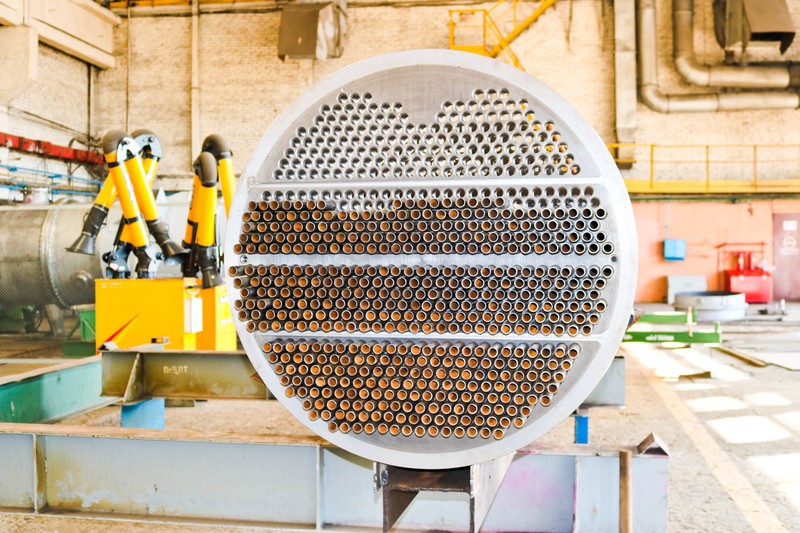
Understanding The Working Principle Of Plate And Frame Heat Exchanger
Quick Summary: A plate and frame heat exchanger keeps two fluids separated by thin, corrugated metal plates, allowing heat to pass through each plate wall without direct contact between the fluids. The corrugated pattern promotes turbulence even at relatively low velocities, while a counter-flow arrangement maintains a more uniform temperature difference throughout the unit. This...
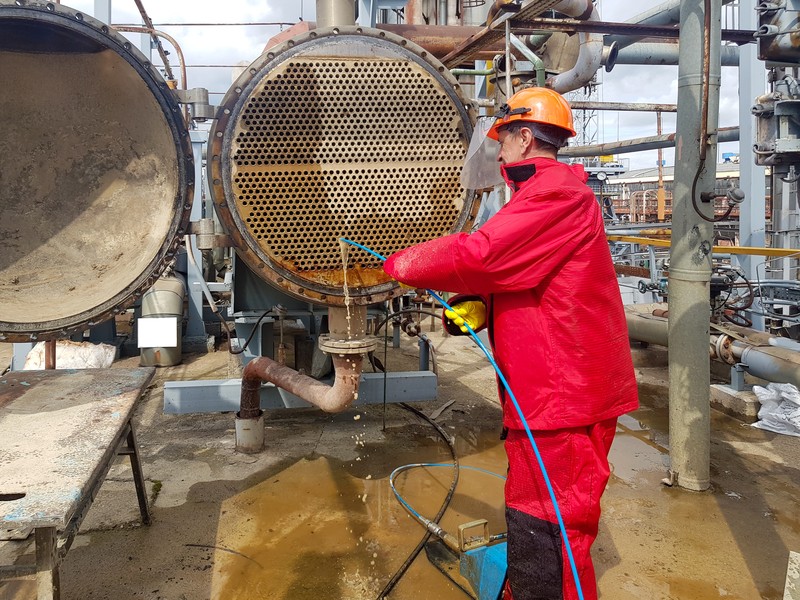
Understanding The Role Of Heat Exchangers In Power Plants
Quick Summary: Power plants rely on heat exchangers throughout the steam cycle, from condensing turbine exhaust and preheating boiler feedwater to cooling lubrication oil, generator hydrogen, and emissions control equipment. Compact cylindrical-plate units can handle cooling water applications while promoting turbulence that helps limit scale buildup. Combined cycle plants also use heat recovery steam generators...
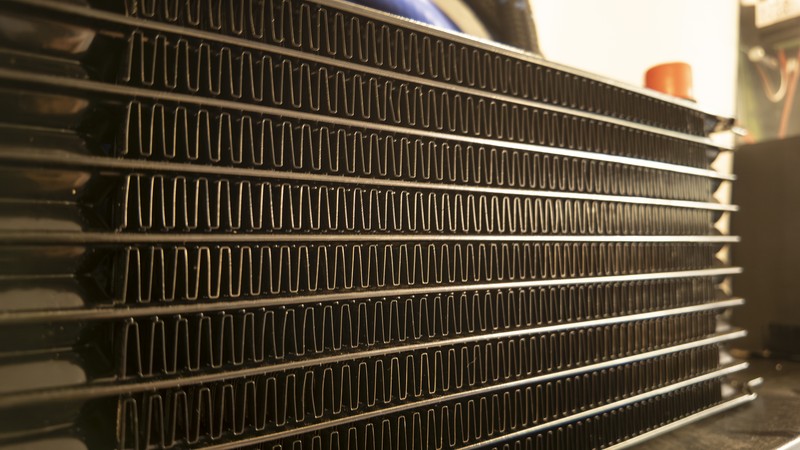
Understanding Air-To-Air Heat Exchangers: A Guide
Quick Summary: An air-to-air heat exchanger transfers thermal energy between outgoing exhaust air and incoming fresh air without mixing the two streams, reducing the demand placed on a building’s heating and cooling systems. Flat plate and rotary wheel configurations accommodate different flow rates and installation requirements, while sensible and total energy recovery designs differ in...
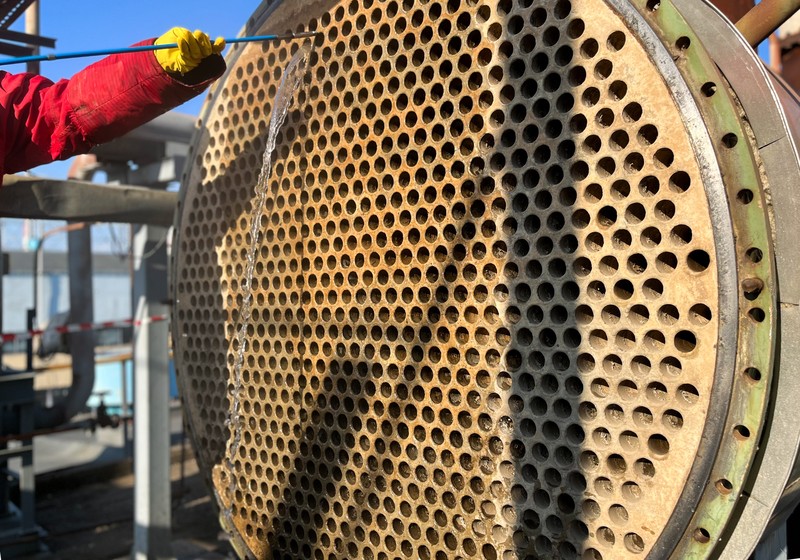
How Do You Prevent Corrosion In A Heat Exchanger From Becoming A Major Issue?
Quick Summary: Preventing corrosion in a heat exchanger requires the right combination of corrosion-resistant materials, controlled process fluid chemistry, and a design that minimizes crevices where stagnant fluid can concentrate corrosive agents. Keeping flow velocity within a suitable range prevents both slow-flow buildup and high-velocity erosion, while routine inspections and temperature and pressure monitoring can...
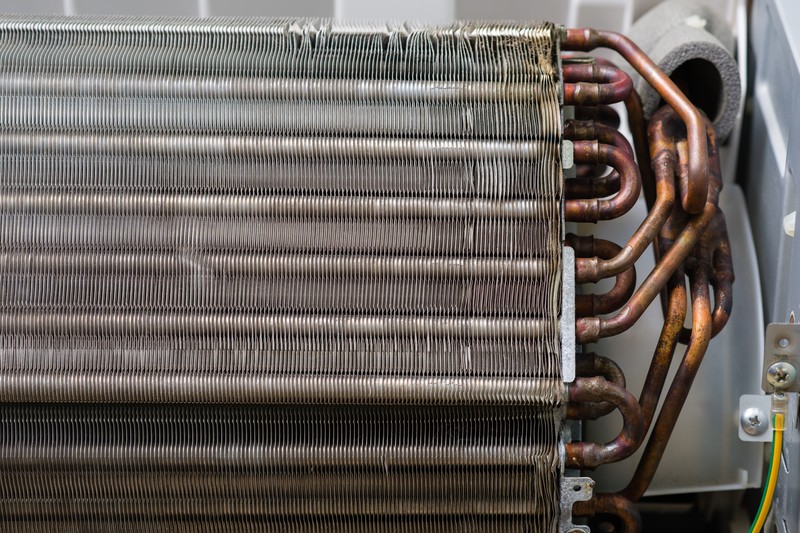
Does A Cracked Heat Exchanger Leak Carbon Monoxide? 7 Warning Signs
Quick Summary: A cracked heat exchanger can allow carbon monoxide and other combustion byproducts to enter circulated air because the crack compromises the separation the unit is designed to maintain between the two sides. Warning signs can include unusual odors, soot accumulation, a yellow or flickering flame instead of a steady blue flame, increased condensation...
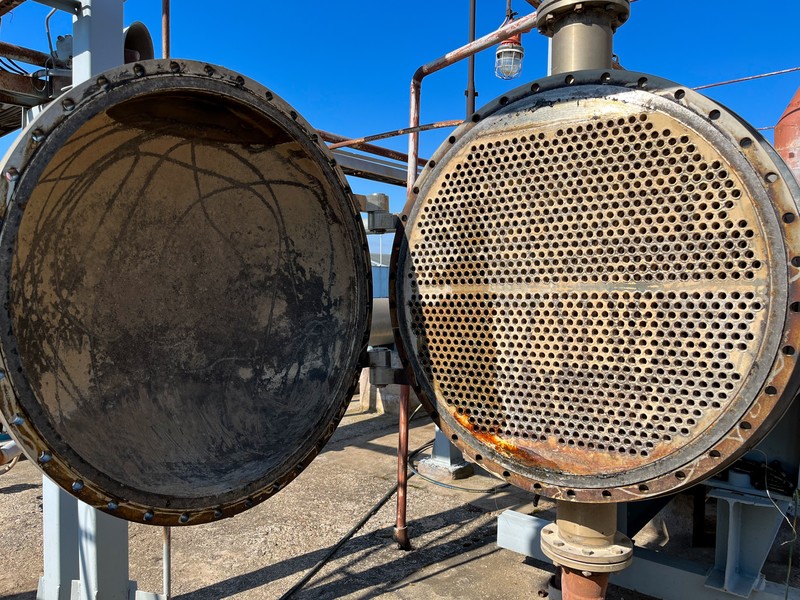
11 Applications Of Heat Exchangers In The Oil And Gas Industry
Quick Summary: Oil and gas facilities rely on heat exchangers throughout nearly every stage of production, from crude oil preheating and amine gas sweetening to LNG regasification and flare gas recovery. Cylindrical-plate designs are well suited to this sector because their welded, gasket-free construction can withstand corrosive fluids, particulates, and significant temperature fluctuations with less...

How To Size A Heat Exchanger For Your Business Needs
Picking the wrong heat exchanger size is one of those mistakes that compounds over time. You may not notice it immediately. However, eventually it shows up as higher energy bills, inconsistent process temperatures, or equipment that wears out ahead of schedule. Knowing how to size a heat exchanger from the start is one of the most practical...