Quick Summary: A brazed plate heat exchanger joins a stack of corrugated metal plates with a filler material, removing the need for gaskets while retaining a compact, lightweight form that works well in refrigeration and light commercial hot water applications. Its permanent construction eliminates gasket-related failure points, but it also means the plates cannot be separated for mechanical cleaning or replacement. The filler metal must also remain compatible with the fluids passing through the unit. Fully welded, all-stainless-steel cylindrical-plate exchangers take a different approach, offering broader fluid compatibility, higher flow capabilities, and greater suitability for demanding industrial environments. The right construction depends on factors such as fluid chemistry, capacity requirements, operating conditions, and the level of access needed for inspection and maintenance.
When comparing compact thermal equipment, many engineers first encounter the brazed plate heat exchanger as an option, and understanding how this design works helps clarify when it fits and when a different approach makes more sense. Brazed units fuse stacked plates together using a filler metal, eliminating the gaskets found in older plate designs while keeping a similarly compact footprint.
Baron Blakeslee’s Spirec heat exchangers take a related but distinct welded approach, and this article covers what brazed plate technology offers along with where alternative constructions may serve better.
How Brazing Works
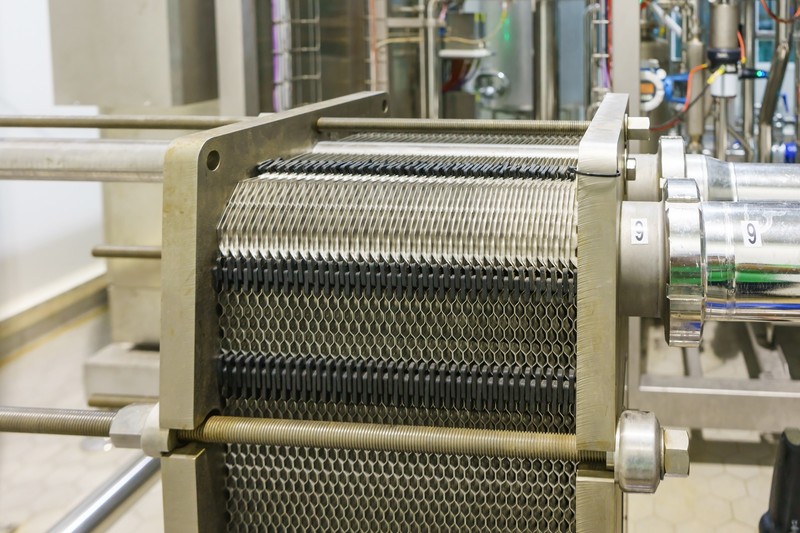
A brazed plate exchanger consists of thin, corrugated plates stacked together with layers of filler metal, commonly copper or nickel, positioned between adjacent plates.
The assembled unit enters a furnace where controlled heat melts the filler material and bonds the plates together. Once the assembly cools, the result is a sealed structure without mechanical gaskets between the individual plates.
The brazing process forms permanent metallurgical bonds at the contact points throughout the plate stack. This produces a rigid exchanger with enclosed flow passages capable of operating under specified temperature and pressure conditions.
Since the construction does not require mechanical fasteners or gasketed joints, the finished equipment can maintain a compact profile and relatively low weight.
Advantages of Brazed Construction
Eliminating gaskets removes a common potential failure point and reduces narrow crevices where deposits or microorganisms can collect. Brazed units are also generally smaller and lighter than comparable gasketed alternatives, which makes them practical for installations where available space is restricted.
This construction combines efficient heat transfer with modest dimensions and relatively low equipment weight. The reduced number of components simplifies the overall assembly and can make installation more practical in confined mechanical areas.
Its sealed structure also limits the potential for external leakage while maintaining a high amount of heat transfer surface within a small package.
Limitations to Consider
The permanent bond between the plates means a brazed exchanger generally cannot be opened for mechanical cleaning or individual plate replacement. If severe fouling or damage occurs, replacing the complete unit may be necessary rather than servicing individual plates.
Brazed equipment also tends to occupy smaller capacity ranges than some other plate exchanger technologies. Facilities with demanding flow requirements should therefore evaluate the required thermal duty and flow rate before selecting this construction.
Fluid Compatibility Considerations
The filler material used during brazing must be chemically compatible with the process fluid. Certain chemicals can react with or gradually degrade copper or nickel, which can restrict the fluids suitable for a brazed exchanger.
This consideration can narrow the application range compared with fully stainless-steel welded alternatives. Fluid composition, concentration, temperature, and operating conditions should all be reviewed when assessing material compatibility.
Comparing Brazed and Welded Cylindrical-Plate Designs
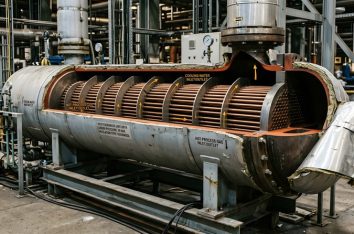
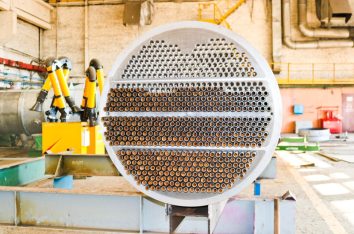
Fully welded, all-stainless-steel cylindrical-plate exchangers remove the filler-metal compatibility concern associated with copper- or nickel-brazed construction. Their stainless-steel flow passages can accommodate a broader range of process fluids, including applications involving more demanding chemical conditions and higher flow rates.
Welded construction also lends itself to industrial applications where inspection, durability, and extended service are important considerations. The specific advantages depend on the exchanger design and operating environment, but welded stainless-steel construction can be better suited to demanding process duties than compact brazed equipment.
Typical Applications for Brazed Units
Brazed plate exchangers are commonly used in refrigeration systems, domestic hot water production, light commercial heating applications, and other duties involving moderate flow rates and relatively non-aggressive fluids.
Their compact dimensions, low weight, and comparatively simple construction can make them attractive where those characteristics outweigh limitations related to cleaning and fluid compatibility.
When to Choose a Different Design
Facilities handling corrosive process fluids, higher flow rates, or applications where periodic inspection and cleaning access matters should weigh fully welded, stainless steel alternatives against brazed construction before finalizing a specification.
The choice should account for the complete operating environment rather than equipment size alone. Fluid chemistry, pressure, temperature, flow rate, fouling potential, maintenance requirements, and expected service life can all influence the appropriate exchanger construction.
Comparing these factors early in the specification process helps facilities select equipment that matches both immediate process requirements and long-term operating needs.
Choose the Right Heat Exchanger Construction for Your Application
Brazed plate technology has a place in many facilities, but industrial applications involving aggressive fluids, higher capacities, or long service life expectations often benefit from a fully welded alternative instead.
Baron Blakeslee’s Spirec heat exchangers use all-stainless-steel, welded construction built for exactly these tougher conditions, and our installation information outlines the sizing and setup requirements for each model.
Reach out to Baron Blakeslee to compare heat exchanger options for your facility.
Frequently Asked Questions
Can a brazed plate heat exchanger be cleaned mechanically?
No, because the plates are permanently bonded together during manufacturing, brazed units rely on chemical cleaning rather than mechanical disassembly.
What fluids should not be used with brazed plate exchangers?
Fluids that react with copper or nickel, the common filler metals used in brazing, should be avoided unless the manufacturer confirms compatibility for that specific application.
Are welded cylindrical-plate exchangers more expensive than brazed units?
Welded, all-stainless-steel units often cost more upfront, but they offer broader fluid compatibility, higher capacity ranges, and easier long-term maintenance for demanding industrial use.
How long do brazed plate heat exchangers last?
Service life varies by application and water quality, but brazed units generally have a shorter expected lifespan than fully welded, stainless steel alternatives in industrial settings.